Meditation Certification Course In India: 200-Hour Meditation & Yin Yoga Teacher Training
-
Written By: Sukhvinder Singh (Chaitanya)
- Published On:
- Last Updated: October 9, 2026
If you are searching for a meditation certification course in India, it is important to understand what the certification actually represents before enrolling.
Yoga Chaitanya International Institute offers a 200 Hour Yin Yoga & Meditation Teacher Training through a residential learning format. The program combines meditation study with Yin Yoga methodology, functional anatomy, pranayama, philosophy, sequencing, teaching methodology, supervised teaching practice and assessment.
This means the program is not positioned as a short meditation-only certificate. It is an integrated teacher-training pathway in which meditation is a significant part of the curriculum.
For students who want to develop their own meditation practice while also learning how to guide others, this distinction is important.
Quick Answer: What Is a Meditation Certification Course in India?
A Meditation Certification Course In India is a structured educational program that teaches meditation practices, their underlying principles and the skills required to guide others, followed by an assessment or certification process defined by the training provider.
The quality of a certification depends on more than the certificate itself.
Before choosing a course, look at:
The meditation curriculum
The amount of practical training
Teaching methodology
Supervised teaching practice
Assessment requirements
Teacher qualifications
Course duration
Learning format
Certification pathway
Whether the certificate represents meditation-only training or an integrated yoga qualification
At Yoga Chaitanya, meditation certification is integrated into a 200-hour residential Yin Yoga & Meditation teacher-training pathway.
Table of Contents
200 Hour Yin Yoga & Meditation Certification Course In India
Yoga Chaitanya’s current program combines Yin Yoga and meditation within one structured residential teacher-training experience.
The program is designed around approximately 23 days of residential training and includes meditation, Yin Yoga methodology, anatomy, pranayama, philosophy, sequencing, teaching methodology, supervised teaching practice and assessment.
Program Overview
| Program Element | Details |
|---|---|
| Program | 200 Hour Yin Yoga & Meditation Teacher Training |
| Format | Residential |
| Duration | 23 days |
| Location | India |
| Specialist Focus | Yin Yoga and Meditation |
| Meditation Training | Integrated meditation teacher training |
| Teaching Practice | Supervised teaching practicum |
| Additional Study | Anatomy, pranayama, philosophy and sequencing |
| Certification Pathway | Yoga Alliance-aligned RYS 200 |
| Learning Method | Practice, study, teaching and assessment |
The current Yoga Chaitanya program is therefore better understood as an integrated meditation and Yin Yoga teacher-training certification pathway, rather than a short standalone meditation certificate.
What Do You Learn in a Meditation Certification Course In India?
A meaningful meditation certification course should go beyond asking students to sit quietly and follow guided sessions.
If your goal is eventually to guide other people, you need to understand how meditation practices are structured, explained and taught.
The Yoga Chaitanya program integrates meditation into a broader teacher-training curriculum.
Meditation Foundations
Students study the foundations of meditation and develop direct experience through regular practice.
The objective is to understand meditation rather than simply memorise a collection of techniques.
Students can explore concepts relating to attention, awareness, stillness, observation and the practical challenges that can arise during meditation practice.
Need Help To Understand Meditation Certification Course In India
Explore a meditation certification course in India with 200 hour residential training, meditation, Yin Yoga, teaching methodology, supervised practice and assessment.
Breath Awareness and Pranayama
Breath awareness is closely connected with many contemplative practices.
The wider training also includes pranayama, allowing students to understand breath-related practices alongside meditation rather than treating every practice as an isolated subject.
Students can develop a clearer understanding of how breath, attention and awareness interact within a structured practice.
Different Meditation Approaches
Meditation does not have one universal format.
The existing Yoga Chaitanya program introduces students to different approaches, including traditional, active, passive and tantric meditation techniques.
This broader exposure helps students understand that different practices may use different methods of attention, movement, breath awareness, observation or stillness.
Meditation Teaching Methodology
Personal meditation experience and the ability to teach meditation are not the same thing.
A person may be comfortable meditating independently but still need training to guide a group.
Teacher preparation should therefore cover areas such as:
Introducing a meditation practice
Explaining the purpose of a practice
Giving clear verbal instructions
Structuring a meditation session
Guiding attention
Using appropriate teaching language
Managing transitions
Observing students
Adjusting instructions when appropriate
Closing a session clearly
These practical skills help transform personal practice into responsible teaching.
Does the Course Include Meditation Teaching Practice?
Yes.
The current 200-hour program includes supervised teaching practice and assessment.
This is an important consideration when comparing meditation certification courses.
A course based entirely on lectures or personal practice may provide knowledge, but it may not give students enough opportunity to practise guiding other people.
Supervised teaching allows students to work on:
Communication
Instruction clarity
Timing
Session structure
Sequencing
Confidence
Observation
Student interaction
Feedback
Teaching presence
The goal is to give students practical experience rather than treating certification as simply the completion of theoretical study.
Meditation Certification vs Meditation Course
These terms are often used interchangeably, but they can represent different learning experiences.
| Meditation Course | Meditation Certification / Teacher Training |
|---|---|
| May focus primarily on personal practice | Includes personal practice and structured education |
| Can be short | Often requires a larger time commitment |
| May not include teaching methodology | Teaching methodology is important |
| May not include assessment | Certification generally involves defined completion requirements |
| Often suitable for personal interest | More suitable for people considering teaching |
| May not provide a professional pathway | Can provide a training credential defined by the provider |
Before enrolling, always check what the certificate actually represents.
A certificate does not automatically establish that someone is qualified for every type of professional or clinical role.
Is This a Standalone Meditation Certification?
No.
Yoga Chaitanya’s current offering is an integrated 200-hour Yin Yoga & Meditation Teacher Training.
Meditation is an important component, but students also study Yin Yoga, functional anatomy, sequencing, pranayama, philosophy and teaching methodology.
This can be an advantage for students who want a broader teaching foundation.
However, someone specifically looking for a short meditation-only certification may prefer a different type of course.
Understanding this distinction before enrolling helps you choose a program based on your actual goal rather than the word “certification” alone.
Why Choose an Integrated Yin Yoga and Meditation Certification Course In India?
Meditation and Yin Yoga can complement one another within a broader teacher-training pathway.
Yin Yoga involves slower, longer-held practices that can encourage students to pay attention to physical sensations, breathing and stillness.
Meditation focuses more directly on attention and awareness.
Studying the two disciplines together can therefore provide a connected learning experience for students who want to teach slower, contemplative or mindfulness-oriented classes.
The Yoga Chaitanya pathway combines:
Yin Yoga methodology
Meditation
Pranayama
Functional anatomy
Fascia-focused concepts
Meridian foundations
Yoga philosophy
Sequencing
Teaching methodology
Supervised teaching
Assessment
What Is Included in the Yin Yoga Component?
The Yin Yoga component gives students a broader physical and methodological foundation.
Topics include:
Yin Yoga methodology
Long-held postures
Functional anatomy
Fascia-focused concepts
Meridian foundations
Functional alignment
Props and modifications
Sequencing
Class structure
Theme-based sequences
Transitions
Yin and Yang integration
Teaching methodology
This matters because becoming a teacher involves more than memorising postures.
A teacher needs to understand how to structure a session, communicate instructions, provide appropriate variations and work within responsible teaching boundaries.
Who Should Consider a Meditation Certification Course in India?
The program may be relevant for several types of students.
Aspiring Meditation Teachers
If you want to eventually guide meditation sessions, look for a course that includes teaching methodology and practical teaching experience.
Yoga Teachers
Existing yoga teachers may want to add meditation to their teaching skills while developing a stronger foundation in slower and contemplative practices
Yin Yoga Students
Students already interested in Yin Yoga may prefer an integrated pathway that combines Yin methodology with meditation.
Wellness Professionals
People working in wellness environments may find meditation education useful as an additional area of study, provided they work within the scope of their training and professional qualifications.
Students Seeking Residential Study
A residential program provides a concentrated environment for practice, study and teaching preparation.
Students Focused on Personal Development
Not every student needs to begin with the immediate intention of teaching professionally.
Some participants may initially want deeper personal study while developing the foundation required to guide others later.
Who May Not Need a 200 Hour Certification Program?
A 200-hour residential teacher-training program requires a significantly greater commitment than a short meditation course.
It may not be the right choice if you only want:
A weekend meditation workshop
A short meditation retreat
A basic introduction to meditation
An online self-paced course
Personal meditation guidance without teacher training
A short certificate with minimal practical requirements
The right course depends on the searcher’s actual objective.
If your goal is personal practice, a shorter course may be enough.
If your goal is developing teaching skills alongside Yin Yoga and meditation, a structured residential teacher-training program may be more appropriate.
What Should You Check Before Choosing a Meditation Certification Course in India?
Do not choose a certification course based only on the word “certified.”
Use the following checklist.
1. Check the Curriculum
Find out exactly what you will study.
Does the program include meditation theory, practical meditation, breathwork, philosophy, teaching methodology and assessment?
2. Check the Teaching Practice
Ask whether students actually practise guiding meditation sessions.
A teacher-training course should provide opportunities to move from learner to instructor.
3. Check Who Teaches the Course
Look at the teacher’s relevant qualifications and teaching experience.
Yoga Chaitanya identifies Sukhvinder Singh Chaitanya as its lead teacher and states that he is an E-RYT 500 and YACEP.
4. Understand the Certification
Ask:
What exactly does the certificate certify?
Is the course meditation-only or integrated with yoga?
Is there an assessment?
What are the completion requirements?
Is the credential connected to a recognised training framework?
Yoga Chaitanya presents its 200-hour program as a Yoga Alliance-aligned RYS 200 pathway. Students should verify current registration and certification details before enrolling.
5. Check the Learning Format
Determine whether the course is:
Online
In-person
Hybrid
Residential
Yoga Chaitanya’s current Yin Yoga & Meditation teacher-training pathway is residential.
6. Check the Duration
Short courses and intensive teacher-training programs serve different purposes.
The current Yoga Chaitanya pathway is structured as a 23-day residential program.
7. Check the Actual Business or Teaching Goal
Think about what you want to do after completing the course.
Your objective may be:
Personal practice
Teaching meditation
Teaching Yin Yoga
Teaching yoga and meditation together
Continuing professional education
Building a broader yoga teaching foundation
Your goal should determine the program you select.
Meditation Certification Course India: Residential Learning Experience
One of the defining features of the Yoga Chaitanya pathway is its residential structure.
Rather than attending an isolated meditation class once or twice a week, students participate in an intensive learning environment where practice, study and teaching preparation are part of the same training experience.
The broader Yoga Chaitanya teacher-training structure includes asana, pranayama, meditation, philosophy, anatomy, sequencing and teaching methodology.
For students travelling to India, this format can provide greater continuity between classroom learning and daily practice.
Meditation Certification Course In India
Yoga Chaitanya operates its Goa training location in Keri/Querim, North Goa.
The institute’s meditation-focused training is integrated into its residential Yin Yoga & Meditation teacher-training pathway.
Students should confirm the exact location and dates of their chosen intake before making travel arrangements.
What Can You Do After Completing Meditation Teacher Training?
What you can do after completing a meditation certification depends on your training, experience, certification pathway and the requirements applicable to the setting in which you intend to work.
Possible applications may include teaching meditation, incorporating meditation into appropriate yoga classes, facilitating workshops or continuing into additional education.
However, completing a certificate does not automatically qualify someone for every professional, therapeutic or clinical role.
Continued personal practice, supervised experience, additional education and responsible professional development remain important.
Meditation Certification Course In India vs Meditation Retreat
A meditation retreat and a meditation teacher-training certification serve different purposes.
| Meditation Retreat | Meditation Teacher Training |
|---|---|
| Primarily personal practice | Personal practice plus teaching preparation |
| Often shorter | More intensive |
| Focus on experience and reflection | Structured curriculum |
| Limited teaching methodology | Teaching methodology |
| Usually no extensive teaching assessment | May include supervised teaching and assessment |
| Personal development is central | Teacher development is an additional objective |
If you want to disconnect from your normal routine and practise meditation, a retreat may be enough.
If you want to develop the skills required to guide others, look for a structured teacher-training program.
Is This Meditation Certification Course In India Right for You?
The most important question is not simply whether a course provides a certificate.
Ask whether the training gives you the education and practical experience you actually need.
If you are looking for a short introduction to meditation, a 200-hour residential teacher-training program may be more extensive than necessary.
If you want to combine meditation, Yin Yoga, teaching methodology, structured practice and supervised teaching, an integrated 200-hour pathway may provide a more suitable learning environment.
Yoga Chaitanya’s current program is designed around this integrated approach.
Before enrolling, review the current curriculum, training dates, accommodation details, eligibility requirements and certification information.
Start Your Meditation Certification Journey in India
If you are looking for a structured meditation certification course in India and want to study meditation alongside Yin Yoga and teacher-training methodology, explore Yoga Chaitanya’s current 200 Hour Yin Yoga & Meditation Teacher Training.
The program combines meditation study with practical teaching preparation, residential learning, Yin Yoga methodology, anatomy, pranayama, philosophy, sequencing and supervised teaching.
If the program matches your goals, contact Yoga Chaitanya to discuss the current intake, certification pathway and course requirements.
Ready to explore the program? Contact Yoga Chaitanya International Institute to discuss the current 200 Hour Yin Yoga & Meditation Teacher Training in India.
About the Teacher
Sukhvinder Singh Chaitanya is identified by Yoga Chaitanya as an E-RYT 500 and YACEP and as the founder and lead teacher of the institute. The school’s current pages state that he has more than 20,000 teaching hours and leads its 200-hour teacher-training programs.
Frequently Asked Questions About Meditation Certification Course In India
What is a meditation certification course in India?
A meditation certification course is a structured educational program that teaches meditation practices and related concepts and provides a certificate based on the provider’s completion and assessment requirements.
Does Yoga Chaitanya offer meditation certification?
Yoga Chaitanya offers meditation training as part of its 200 Hour Yin Yoga & Meditation Teacher Training pathway. The program integrates meditation with Yin Yoga, anatomy, pranayama, philosophy, sequencing and teaching methodology.
Is the Yoga Chaitanya meditation certification course residential?
Yes. The current Yin Yoga & Meditation teacher-training program is structured as a residential program.
How long is the meditation certification course?
The current Yoga Chaitanya Yin Yoga & Meditation teacher-training program is structured as a 23-day residential course.
Is meditation the only subject taught?
No.
The program is integrated with Yin Yoga teacher training and also includes areas such as functional anatomy, pranayama, philosophy, sequencing, teaching methodology, supervised teaching and assessment.
Does the course include teaching practice?
Yes. The current program includes supervised teaching practice and assessment.
Can beginners join?
Eligibility can depend on the current intake requirements and the student’s preparation. Prospective students should contact Yoga Chaitanya to confirm eligibility for the specific batch.
Is the course online?
The current Yoga Chaitanya Yin Yoga & Meditation teacher-training pathway is an in-person residential program.
Where is the training held?
Yoga Chaitanya operates its Goa location in Keri/Querim, North Goa. Students should confirm the location of their specific intake before making travel arrangements.
Is this a meditation-only certificate?
No. It is an integrated Yin Yoga and Meditation teacher-training pathway.
What should I look for in a meditation certification?
Look at the curriculum, teacher qualifications, practical teaching experience, assessment, certification framework, course format, duration and the actual scope of the credential.
Need Help To Understand Yin Yoga Instructor Training in India
Explore Yin Yoga instructor training in India with 200 hour residential study, Yin methodology, anatomy, meditation, sequencing and supervised teaching practice.
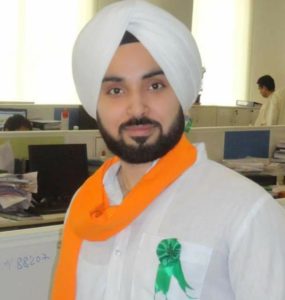
About the Author: Sukhvinder Singh Chaitanya
Sukhvinder Singh (Chaitanya) is an E-RYT 500 & YACEP yoga teacher with 20,000+ hours of experience across 40+ Yoga Teacher Training programs. He specializes in Ashtanga Vinyasa, Hatha, Yin Yoga, Yoga Therapy, Laughter Yoga, and Meditation. Founder of Yoga Chaitanya International Institute, he teaches students from India, Russia, Lebanon, Thailand, Taiwan, Bali and China. He shares his teachings through yoga philosophy blogs and his YouTube channels.