Which Yoga Style Is Right for You? (Complete Guide + Quiz)
Which Yoga Style Is Right for You? (Complete Guide + Quiz)
-
Written By: Sukhvinder Singh (Chaitanya)
- Published On:
- Last Updated: January 17, 2026
- Strong & structured: Ashtanga
- Dynamic & creative: Vinyasa
- Balanced & foundational: Hatha
- Deep stretch & stillness: Yin
- Rest & recovery: Restorative
- Breath, mantra, spiritual focus: Kundalini
- Take the Yoga Style Quiz below to discover both your Natural Match and a Balancing Recommendation.
- Review the style descriptions to understand each approach in depth.
- Use the “Beginner Path” under each style to start safely and progressively.
- Refer to your weekly mix plan to balance preference with regulation.
- Fill out the form at the end if you want personalized guidance for practice or Yoga teacher training.
If you are choosing a yoga style for yourself, it’s not going to be easy. Each style carries a different energy, pace, intention, and teaching approach. Some are strong and athletic. Some are slow and introspective. Some focus on breath and mantra. Others on alignment and discipline.
Table of Contents
How the Yoga Style Quiz Works
This quiz looks at more than just preference or fitness level. It combines:
- Your goals and temperament.
- How you respond to pace, structure, and intensity.
- Simple Ayurveda-based signals such as sleep, digestion, and body sensations.
Your result includes:
- Natural Match. (the style you are most likely to enjoy and sustain)
- Balancing Recommendation (to support regulation and long-term wellbeing)
- A suggested weekly mix of practices.
- A Teacher Training pathway aligned with your strengths and interests.
This assessment reflects your current state, not a permanent label.
Take the Quiz
Share Your Result & Get a Free Expert Call to Plan Your TTC Journey
Let us guide you—share your details and receive complete course details & exclusive offers.
Why Choosing the Right Yoga Style Matters
Yoga is not a single technique. It is a universe of different approaches, each serving a different purpose. Choosing the correct yoga style helps you:
- Build a practice you can stay consistent with
- Improve strength, flexibility, or balance depending on your intention.
- Reduce stress and regulate your nervous system.
- Avoid injury by matching intensity to your level.
- Experience deeper focus, breath, and awareness.
How to Choose a Yoga Style: Yoga Style Personality Table
Here’s a quick snapshot connecting body type, temperament, and preferred energy:
| Yoga Style | Best For | Personality Match | Energy Level | Body Notes |
|---|---|---|---|---|
|
Hatha |
Beginners, foundation |
Steady, patient |
Medium |
Great for alignment |
|
Vinyasa |
Weight loss, stamina |
Easily bored, creative |
Medium–High |
Coordination + flow |
|
Ashtanga |
Discipline, athletic progress |
Routine-oriented |
High |
Needs consistency |
|
Iyengar |
Precision, injuries |
Analytical, detail-focused |
Low–Medium |
Excellent for chronic pain |
|
Yin |
Flexibility, emotional release |
Deep feelers |
Low |
Works on fascia |
|
Restorative |
Anxiety, burnout, sleep |
Sensitive nervous systems |
Very Low |
Trauma-supportive |
|
Kundalini |
Breathwork, inner clarity |
Spiritual seekers |
Low–Medium |
Breath-induced calm |
|
Power Yoga |
Strength, heat |
Competitive & goal-driven |
High |
Fast calorie burn |
|
Hot Yoga |
Sweat, detox |
People who love heat |
High |
Not suitable for injuries |
Yoga Styles Explained (Beginner-Friendly Guide)
Ashtanga Yoga
Intensity: High
Structure: Fixed primary series
Intention: Strong physical and mental practice
- Start with the Led Primary Series
- Add Mysore-style practice when comfortable.
- Build wrist, shoulder, and core strength slowly.
Vinyasa Yoga
Intensity: Moderate to high
Structure: Changes each class
Intention: Flow, rhythm, breath, fitness
- Begin with slow-flow or beginner vinyasa.
- Learn transition fundamentals (Chaturanga, Upward Dog, Downward Dog)
- Train steady nasal breathing.
Hatha Yoga
Intensity: Moderate
Structure: Guided postures + breath
Intention: Clarity, balance, foundational learning
- 2–3 weekly sessions
- Learn key postures with props.
- Add basic pranayama
Yin Yoga
Intensity: Low
Structure: Long-held passive poses
Intention: Fascia release, calm, introspection
- Practice in the evening
- Start with hip and spine poses.
- Combine with slow breathwork.
Restorative Yoga
Intensity: Very low
Structure: Fully supported shapes
Intention: Nervous system healing
- One restorative session weekly
- Add Yoga Nidra for deeper rest.
- Keep the lighting soft and the room warm.
Kundalini Yoga
Intensity: Moderate
Structure: Kriyas + breath + mantra
Intention: Clarity, vitality, inner transformation
- Start with a short kriya. (11–22 minutes)
- Practice Sat Nam mantra.
- Journal emotional and energetic changes.
Learn More About All Yoga Traditions
If you want to explore the full list of yoga traditions, their origins, and how they evolved, you can read our detailed guide here:
Types Of Yoga: Ultimate Guide For Yoga Seekers
Which Yoga Style Should You Choose? (Quick Recommendations)
- Best for Beginners: Hatha or Slow Vinyasa
- Best for Strength: Ashtanga
- Best for Flexibility: Yin
- Best for Deep Relaxation: Restorative
- Best for Spiritual Practice: Kundalini
- Best for Weight Management: Power, Vinyasa or Ashtanga
- Best for Stress & Anxiety: Restorative + Yoga Nidra
Common Mistakes When Choosing a Style
- Choosing intensity beyond your capacity.
- Avoiding props due to ego.
- Expecting one yoga style to solve everything.
- Skipping breathwork.
- Comparing your progress to others.
- Moving too fast without alignment awareness.
FAQs about Yoga Style
What yoga style is right for me?
Which yoga style is best for a beginner?
Which yoga style is best for flexibility?
Which yoga style is best for anxiety, stress, or emotional healing?
Which yoga style burns the most calories?
What yoga should I do if I feel very stiff or tight?
What yoga style is safest for injuries?
Do I need to be flexible before starting yoga?
How often should I practice yoga?
Is Yin Yoga the same as Restorative Yoga?
Can I combine yoga styles?
Which yoga style is best for strength?
Why does the Yoga style quiz recommend both a natural style and a balancing practice?
The natural style reflects what you are most likely to enjoy and practice consistently. The balancing recommendation uses an Ayurveda lens to suggest complementary practices that help regulate excess or deficiency in your current state. Both are important for a sustainable and intelligent yoga practice.
My Experience With Different Yoga Styles
Some students walk in believing they want strong Ashtanga and end up falling in love with Yin. While others come for gentle Hatha and discover incredible confidence through Vinyasa flow. A few find profound inner clarity through Kundalini and breath-led practices.
In every case, I found that the shift happens when the person stops copying what seems popular and starts listening to their own breath, energy, capacity, and temperament.
My biggest learning as a teacher?
There is no perfect style.
There is only the style that meets you where you are, and grows with you.
Whether you choose Hatha, Vinyasa, Ashtanga, Yin, Restorative, or Kundalini, your practice will open something new in you. And that is the true gift of yoga
Share Your Result & Get a Free Expert Call to Plan Your TTC Journey
Let us guide you—share your details and receive complete course details & exclusive offers.
Conclusion
Your Quiz Shows You’re Ready for the Next Step.”
Whether your path is Yin, Yang, Meditation or Yoga Therapy, our 200-Hour Yoga Teacher Training helps you turn your natural strengths into a grounded, confident teaching practice.
- Learn to guide breath, posture & awareness
- Understand the body through Ashtanga, Yin +Meditation , Ayurveda + yoga Therapy.
- Build a personal practice that feels authentic.
Start your Yoga Journey to Transform your Life !
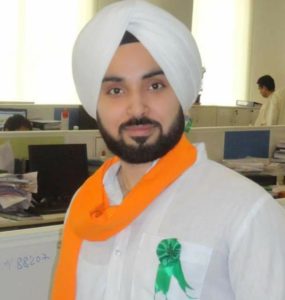
About the Author: Sukhvinder Singh Chaitanya
Sukhvinder Singh (Chaitanya) is an E-RYT 500 & YACEP yoga teacher with 20,000+ hours of experience across 40+ Yoga Teacher Training programs. He specializes in Ashtanga Vinyasa, Hatha, Yin Yoga, Yoga Therapy, Laughter Yoga, and Meditation. Founder of Yoga Chaitanya International Institute, he teaches students from India, Russia, Lebanon, Thailand, Taiwan, Bali and China. He shares his teachings through yoga philosophy blogs and his YouTube channels.