Ayurveda Yoga Panchakarma Retreat in India – Residential Wellness Experience in Goa
-
Written By: Sukhvinder Singh (Chaitanya)
- Published On:
- Last Updated: November 24, 2026
Looking for an Ayurveda yoga Panchakarma retreat in India where traditional Ayurvedic practices, yoga, meditation and a peaceful residential environment come together? Yoga Chaitanya offers an integrated Ayurveda and Yoga Retreat in Keri, North Goa, near Querim Beach.
The residential retreat combines an initial consultation with an Ayurvedic doctor, individually recommended Ayurvedic therapies, Therapeutic Yin Yoga, Iyengar Yoga, pranayama, meditation, Ayurvedic meals and accommodation. The treatment plan is determined according to the individual’s assessment and the practitioner’s recommendations.
Whether you are travelling from the USA, Canada, the United Kingdom, Australia, Singapore, the UAE, Europe or another part of the world, this retreat provides an opportunity to explore traditional Ayurveda and yoga practices in a residential setting in Goa, India.
Explore the programme, understand what is included and contact Yoga Chaitanya to discuss available dates, accommodation and booking requirements.
What Is an Ayurveda Yoga Panchakarma Retreat?
An Ayurveda yoga Panchakarma retreat is a residential wellness experience that brings together traditional Ayurvedic practices, practitioner-directed therapies, yoga, breathing exercises, meditation, appropriate meals and rest.
Each element has a different role within the retreat:
Ayurveda: Provides the traditional framework for the consultation and selection of appropriate therapies.
Panchakarma: Refers to a group of traditional Ayurvedic procedures that may be recommended according to an individual’s assessment.
Yoga: Provides guided physical practices adapted to the programme and participants.
Pranayama: Introduces traditional breathing practices as part of the daily routine.
Meditation: Provides structured time for stillness, attention and contemplative practice.
Ayurvedic meals: Form part of the residential programme’s food arrangements.
Rest: Allows time between scheduled practices, consultations and therapies.
Unlike a conventional holiday that focuses mainly on sightseeing, a residential Ayurveda retreat follows a more structured daily routine.
At Yoga Chaitanya, these elements are brought together in a residential retreat in North Goa.
Table of Contents
Ayurveda and Panchakarma Retreat in Goa, India
Yoga Chaitanya’s Ayurveda retreat is located in Keri, North Goa, near Querim Beach. The setting provides a residential environment surrounded by nature, away from some of Goa’s busier tourist areas.
The published programme has a 10-day format and combines Ayurvedic consultation and therapies with yoga, meditation, pranayama, meals and accommodation.
The retreat begins with an Ayurvedic consultation. Based on the practitioner’s assessment and recommendations, an individual treatment approach is determined.
This is an important distinction: every guest does not automatically receive the same Panchakarma procedures. The therapies and their suitability depend on the individual’s assessment and the practitioner responsible for the programme.
What Makes This Retreat an Integrated Experience?
The retreat brings together several complementary components:
An initial Ayurvedic consultation.
Individualised Ayurvedic treatment recommendations.
Traditional Ayurvedic therapies as appropriate.
Therapeutic Yin Yoga and Iyengar Yoga sessions.
Pranayama and breathing practices.
Guided meditation.
Vegetarian Ayurvedic and yogic meals.
Residential accommodation in North Goa.
The exact schedule and treatment plan can vary. Contact the institute to confirm the arrangements for your intended dates.
Need Help To Understand Ayurveda Yoga Panchakarma Retreat in India
Experience an Ayurveda yoga Panchakarma retreat in India. Explore traditional Ayurvedic therapies, yoga, meditation and residential accommodation.
Ayurvedic Consultation and Individual Treatment Planning
The consultation is an important starting point for an Ayurveda-focused retreat.
At Yoga Chaitanya, the published programme begins with a consultation with an Ayurvedic doctor. The consultation helps the practitioner understand the guest’s individual circumstances and recommend an appropriate approach.
In traditional Ayurveda, the concepts of Vata, Pitta and Kapha are used to describe different aspects of an individual’s constitution and functional balance.
The practitioner may consider relevant information such as:
Personal health history.
Current medications.
Dietary habits and restrictions.
Allergies or sensitivities.
Previous Ayurvedic treatments.
Current concerns and expectations.
Suitability for particular procedures.
Guests should share relevant medical information honestly and ask questions about any proposed procedure before participating.
The consultation is not a substitute for conventional medical assessment where one is required. Guests should not stop or change prescribed medication without consulting the healthcare professional responsible for it.
Traditional Panchakarma Therapies
Panchakarma is a traditional Ayurvedic therapeutic framework that includes specific procedures. The therapies recommended during a retreat depend on the individual’s circumstances and the practitioner’s assessment.
The Yoga Chaitanya retreat information lists several traditional Ayurvedic procedures and therapies that may form part of the programme.
Virechana
Virechana is a traditional Ayurvedic procedure involving therapeutic purgation. It is one of the procedures described within classical Panchakarma practice.
Its suitability, preparation and supervision must be determined by the qualified practitioner responsible for the treatment.
Vamana
Vamana is a traditional Ayurvedic procedure involving therapeutic emesis. It is a practitioner-directed procedure and should never be attempted independently.
The practitioner must assess whether it is appropriate for an individual.
Basti
Basti is a traditional Ayurvedic procedure involving the administration of preparations through the rectal route.
The type of preparation, procedure and suitability depend on the practitioner’s recommendations.
Nasya
Nasya is an Ayurvedic practice involving the administration of an appropriate preparation through the nasal route.
It should be performed only when recommended and supervised by an appropriately qualified practitioner.
Abhyanga
Abhyanga is a traditional Ayurvedic oil massage performed using oils selected according to the treatment approach.
The retreat lists Abhyanga among the Ayurvedic therapies available within its programme.
Shirodhara
Shirodhara is a traditional Ayurvedic procedure in which a liquid is poured in a controlled manner over the forehead.
It may form part of an individual treatment plan when recommended by the practitioner.
Kati Basti
Kati Basti is a localised Ayurvedic oil-based procedure traditionally applied to the lower-back region.
Its use should be determined according to the guest’s individual assessment.
Netra Tarpana
Netra Tarpana is a traditional Ayurvedic eye-related procedure involving the application of an appropriate preparation around the eyes.
It should only be performed when the practitioner considers it suitable.
Important: These procedures are not a fixed checklist that every guest receives. The current retreat programme describes individualised treatment recommendations based on the Ayurvedic consultation.
Yoga During the Ayurveda Retreat
Yoga is an important part of the integrated retreat experience.
Yoga Chaitanya’s published programme includes Therapeutic Yin Yoga and Iyengar Yoga within its daily routine.
These practices offer different approaches to posture, movement, alignment, awareness and the use of props.
Therapeutic Yin Yoga
Yin Yoga generally involves supported postures held for longer periods, with an emphasis on stillness, awareness and adapting positions to the practitioner or participant.
During the retreat, Yin Yoga forms part of the guided yoga programme.
Iyengar Yoga
Iyengar Yoga places emphasis on alignment, precision and the considered use of props to support postures.
The practice can be adapted according to individual ability and the guidance of the teacher.
Yoga for Different Experience Levels
If you are new to yoga, have limited mobility or already maintain a regular practice, ask the institute about the suitability and modifications available for your level.
The appropriate practice should be discussed with the instructor, particularly if you have an injury, medical condition or movement limitation.
Meditation and Pranayama
The retreat also incorporates meditation and pranayama into its daily schedule.
Pranayama refers to traditional yogic breathing practices. Meditation introduces structured time for attention, observation and stillness.
The published daily routine includes an afternoon session for pranayama and mudras, followed by meditation.
These practices are integrated with the broader residential experience rather than being presented as medical treatments.
Daily Schedule at the Ayurveda Yoga Retreat
A structured daily routine helps guests understand how consultations, treatments, yoga, meals and meditation fit together.
The currently published retreat schedule is:
| Time | Activity |
|---|---|
| 7:15 AM – 8:50 AM | Yoga Therapy / Yin Yoga Practice |
| 9:00 AM – 10:30 AM | Breakfast |
| 10:30 AM – 1:00 PM | Doctor or therapist meeting and treatments |
| 1:00 PM – 2:30 PM | Lunch and rest |
| 2:30 PM – 3:45 PM | Treatments or doctor meeting |
| 3:50 PM – 4:00 PM | Tea break |
| 4:10 PM – 4:30 PM | Pranayama and mudras |
| 4:30 PM – 5:30 PM | Meditation |
| 7:00 PM – 8:00 PM | Dinner |
The timetable is a general programme framework. The institute notes that the schedule may change depending on the treatment process and individual requirements.
Ayurvedic Food and Meals
Food is an integral part of a residential Ayurveda and yoga retreat.
Yoga Chaitanya’s published retreat information describes vegetarian Ayurvedic and yogic meals prepared using seasonal and locally sourced ingredients.
The residential programme includes meal times and rest periods alongside the scheduled yoga and treatment sessions.
If you have any of the following requirements, communicate them before confirming your booking:
Food allergies.
Dietary restrictions.
Vegetarian or other food preferences.
Food intolerances.
Special meal requirements.
Ask the retreat team to confirm which dietary arrangements can be accommodated during your selected dates.
Accommodation at the Ayurveda Retreat in Goa
The retreat is situated in Keri, North Goa, near Querim Beach.
The published accommodation information describes a residential setting with room options that include twin-sharing and private accommodation, subject to availability.
The listed facilities include:
En-suite bathrooms.
Wi-Fi.
Filtered drinking water.
Vegetarian restaurant facilities.
Ayurvedic and yogic meal arrangements.
Nature-oriented surroundings.
Room availability, occupancy arrangements and package inclusions can change. Confirm the exact accommodation option and any additional charges before making a payment.
Why Choose Goa, India for an Ayurveda and Yoga Retreat?
Goa is an established destination for international visitors seeking beaches, nature, yoga, cultural experiences and wellness-focused travel.
North Goa offers a variety of coastal and nature-based settings. Keri, where Yoga Chaitanya’s retreat is located, is near Querim Beach.
For guests travelling from outside India, the destination offers an opportunity to combine a residential retreat experience with time in one of India’s coastal regions.
However, location should not be the only factor when selecting a Panchakarma retreat. Consider the practitioner qualifications, consultation process, treatment supervision, programme transparency, accommodation and suitability assessment.
Ayurveda Yoga Panchakarma Retreat for International Guests
Yoga Chaitanya welcomes enquiries from people interested in experiencing Ayurveda and yoga in India.
International guests may be travelling from:
United States.
Canada.
United Kingdom.
Australia.
United Arab Emirates.
Singapore.
Germany.
France.
Other European countries.
Other parts of Asia and the Middle East.
The retreat is based in North Goa, India, and offers a residential format combining Ayurveda, yoga and meditation.
Planning Your Journey to Goa
Before travelling, international guests should confirm:
The exact retreat dates and duration.
The accommodation type and availability.
The current programme inclusions.
The consultation and treatment arrangements.
The nearest suitable airport and onward transport.
Visa and entry requirements for their nationality.
Travel insurance and personal medical requirements.
Cancellation, refund and payment terms.
Visa requirements differ by nationality and can change. Check the current Indian government visa guidance before making travel arrangements.
What Should International Guests Bring?
Consider bringing:
Passport and relevant travel documents.
Any prescribed medication in its original packaging.
Relevant medical information and prescriptions.
Comfortable clothing for yoga and meditation.
Personal toiletries.
Clothing suitable for the local climate.
Details of allergies or dietary restrictions.
Ask the institute for its latest arrival instructions before travelling.
For additional information, read the Ayurveda Retreat for Foreigners in Goa guide.
Who May Be Interested in an Ayurveda Yoga Panchakarma Retreat?
This type of residential experience may interest:
Yoga Practitioners
People who want to combine their yoga practice with traditional Ayurvedic therapies, meditation and a structured daily routine.
Ayurveda Enthusiasts
People interested in learning more about traditional Ayurvedic practices and experiencing a residential programme guided by a practitioner.
Wellness Travellers
Travellers seeking a programme that offers more structure than a conventional holiday, with time for yoga, meditation, meals and rest.
International Visitors to India
People travelling to India who want to explore an integrated Ayurveda and yoga retreat in Goa.
People Seeking a Structured Retreat Environment
Individuals who prefer a planned daily routine that brings together consultations, therapies, guided practices and residential accommodation.
Participation is subject to individual suitability. People with medical conditions, those who take medication, pregnant or breastfeeding guests, and anyone with specific health concerns should seek appropriate professional advice before booking or undertaking procedures.
Ayurveda Retreat vs Panchakarma Retreat vs Yoga Retreat
These terms are related, but they do not always describe the same experience.
| Retreat type | Main focus | Typical components |
|---|---|---|
| Ayurveda retreat | Traditional Ayurvedic wellness practices | Consultation, Ayurvedic therapies, meals and lifestyle routine |
| Panchakarma retreat | Practitioner-directed Panchakarma procedures | Assessment, preparation where appropriate, procedures and follow-up guidance |
| Yoga retreat | Guided yoga and related practices | Asana, pranayama, meditation and philosophy |
| Ayurveda and yoga retreat | An integrated residential experience | Ayurveda, yoga, meditation, meals and rest |
Yoga Chaitanya’s retreat combines Ayurveda, yoga and meditation in a residential setting. Guests interested specifically in Panchakarma should discuss the proposed procedures and their suitability with the responsible practitioner.
How to Choose the Right Panchakarma Retreat in India
Choosing a retreat requires more than comparing photographs, locations or advertised prices.
Before making a reservation, consider these questions.
1. Who Conducts the Ayurvedic Consultation?
Ask who performs the consultation and who determines the treatment recommendations.
2. Are Therapies Personalised?
Find out whether the programme is adapted to the individual or whether every guest follows an identical treatment schedule.
3. What Procedures Are Actually Included?
Request a clear explanation of which therapies may be offered and which depend on the practitioner’s assessment.
4. Is Yoga Included?
Ask about the yoga styles, frequency, daily schedule and whether modifications are available.
5. What Are the Accommodation Arrangements?
Confirm whether the package includes shared or private accommodation and what facilities are available.
6. What Meals Are Provided?
Ask about the food arrangements and whether dietary restrictions can be accommodated.
7. What Is the Programme Duration?
Compare the actual duration and schedule rather than relying only on the term Panchakarma retreat.
8. What Are the Payment and Cancellation Terms?
Read the booking conditions, refund policy and payment schedule before confirming your reservation.
Preparing for Your Ayurveda and Panchakarma Retreat
Preparation begins before arrival.
A few practical steps can help you understand the programme and communicate your needs.
Before booking:
Review the retreat duration and daily schedule.
Confirm available dates and accommodation.
Ask about the consultation process.
Request clarification about the therapies.
Understand the package inclusions and exclusions.
Review the payment and cancellation policy.
Before arrival:
Share relevant medical history with the practitioner.
Provide details of current medication.
Mention allergies and dietary requirements.
Ask whether any preparation is recommended.
Arrange travel and accommodation details.
Follow the instructions provided by the retreat team.
Read the detailed Ayurveda Retreat Preparation Guide before travelling.
For food-related questions, you can also explore the Panchakarma Diet Preparation Guide.
Book Your Ayurveda Yoga Panchakarma Retreat in Goa, India
Experience a residential programme that brings together traditional Ayurvedic practices, yoga, meditation, pranayama, vegetarian meals and accommodation in North Goa.
Yoga Chaitanya’s Ayurveda retreat begins with an Ayurvedic consultation, followed by an individualised treatment approach based on the practitioner’s recommendations.
If you are considering an Ayurveda yoga Panchakarma retreat in India, contact the institute to discuss:
Upcoming retreat dates.
Programme duration.
Current fees.
Available accommodation.
Consultation and treatment arrangements.
Package inclusions.
Booking and cancellation conditions.
Take the next step towards planning your residential Ayurveda and yoga experience in Goa.
Frequently Asked Questions Ayurveda Yoga Panchakarma Retreat in India
1. What is an Ayurveda yoga Panchakarma retreat?
An Ayurveda yoga Panchakarma retreat is a residential programme that combines traditional Ayurvedic practices and practitioner-directed therapies with yoga, pranayama, meditation, meals and rest. The specific procedures and activities depend on the retreat provider and the individual’s assessment.
2. Where can I experience an Ayurveda yoga Panchakarma retreat in India?
Yoga Chaitanya offers a residential Ayurveda and yoga retreat in Keri, North Goa, near Querim Beach. Its published programme combines Ayurvedic consultation and therapies with yoga, meditation, pranayama, meals and accommodation.
3. How long is the Yoga Chaitanya Ayurveda retreat?
The published Ayurveda and Yoga Retreat programme is presented in a 10-day format. Confirm the exact duration and available dates with the institute before booking.
4. Does the retreat include Panchakarma treatments?
Yes. The published programme includes traditional Ayurvedic and Panchakarma-related therapies. The procedures recommended for each guest depend on the practitioner’s assessment.
5. Are the same Panchakarma procedures given to everyone?
No. Yoga Chaitanya states that treatments are customised according to the individual’s Ayurvedic constitution and the doctor’s recommendations. Not every guest should expect to receive every listed procedure.
6. Does the retreat include yoga and meditation?
Yes. The published programme includes Therapeutic Yin Yoga, Iyengar Yoga, pranayama, mudras and meditation.
7. Is the Ayurveda retreat suitable for beginners in yoga?
People with different levels of yoga experience can enquire about the programme. Ask the institute about the practice requirements and available modifications before booking.
8. Is the Panchakarma retreat suitable for everyone?
No. Individual suitability depends on health circumstances and the procedures being considered. People with medical conditions, those taking prescription medication, and people who are pregnant or breastfeeding should seek appropriate professional advice and discuss their circumstances with the practitioner before participating.
9. What accommodation is available?
The published retreat information describes twin-sharing and private room options, subject to availability. Confirm the room type, facilities, occupancy and current package inclusions before paying.
10. Does the retreat provide vegetarian meals?
Yes. The published programme describes vegetarian Ayurvedic and yogic meals. Guests with allergies or specific dietary requirements should communicate these in advance.
11. Can international guests join the retreat?
International visitors can enquire about joining the residential retreat in Goa. They should confirm programme dates, travel arrangements, visa requirements, accommodation and payment conditions before booking.
12. How do I book the Ayurveda retreat in Goa?
Contact Yoga Chaitanya through its official website to enquire about current dates, programme details, available rooms, fees and booking requirements.
13. Is an Ayurveda retreat the same as a medical treatment programme?
An Ayurveda retreat is not automatically a substitute for conventional medical care. Guests should understand the nature of the procedures offered and seek appropriate medical advice for health conditions or treatment decisions.
Need Help To Understand Ayurveda Yoga Panchakarma Retreat in India
Experience an Ayurveda yoga Panchakarma retreat in India. Explore traditional Ayurvedic therapies, yoga, meditation and residential accommodation.
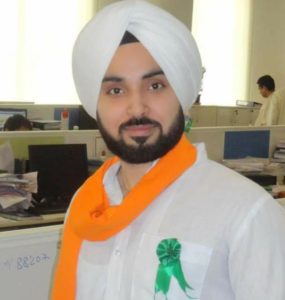
About the Author: Sukhvinder Singh Chaitanya
Sukhvinder Singh (Chaitanya) is an E-RYT 500 & YACEP yoga teacher with 20,000+ hours of experience across 40+ Yoga Teacher Training programs. He specializes in Ashtanga Vinyasa, Hatha, Yin Yoga, Yoga Therapy, Laughter Yoga, and Meditation. Founder of Yoga Chaitanya International Institute, he teaches students from India, Russia, Lebanon, Thailand, Taiwan, Bali and China. He shares his teachings through yoga philosophy blogs and his YouTube channels.