Panchakarma Diet Preparation: What to Eat Before, During and After Treatment
-
Written By: Sukhvinder Singh (Chaitanya)
- Published On:
- Last Updated: October 20, 2026
Panchakarma diet preparation involves understanding the dietary instructions that apply before, during and after an Ayurvedic treatment programme. In Ayurveda, food is considered an important part of the treatment routine, and the diet recommended during Panchakarma may change according to the procedure, the practitioner’s assessment and the individual’s needs.
There is no single Panchakarma diet plan suitable for everyone. Some programmes may recommend simple, freshly prepared meals, while specific procedures can require a more carefully supervised dietary schedule. Follow the instructions provided by the qualified practitioner responsible for your treatment instead of adopting a restrictive diet from a general online guide.
If you are planning a Panchakarma retreat in India, understanding the dietary requirements before travelling can help you prepare questions, communicate food allergies and avoid making unnecessary changes to your usual eating routine.
Why Is Diet Preparation Important Before Panchakarma?
Dietary guidance is part of the wider preparation and care process in many Panchakarma programmes. The recommended food, portion sizes, meal timing and duration of dietary restrictions can vary depending on the treatment being planned.
Before starting, ask your Ayurvedic practitioner:
Which dietary instructions apply to my specific programme?
When should I begin making any recommended changes?
Are there foods or drinks I should avoid?
Will my meals change on treatment days?
What should I eat after the procedure?
How should my existing medical conditions or medications affect my dietary plan?
The All India Institute of Ayurveda advises patients undergoing Panchakarma to follow the diet prescribed by their Panchakarma doctor. This is particularly important because dietary instructions may be linked to the procedure being performed.
Table of Contents
What to Eat Before Panchakarma
The appropriate diet before Panchakarma depends on your individual treatment plan. If your practitioner recommends simpler meals before the programme begins, ask for examples that suit your health requirements, food preferences and normal eating habits.
Depending on the guidance you receive, possible meal options to discuss may include:
Freshly prepared rice or grain dishes: Simple cooked grains may be suitable for some dietary plans.
Cooked vegetables: Soft, cooked vegetables may be recommended when a practitioner wants meals to remain relatively simple.
Light soups or lentil preparations: Certain soups or lentil dishes may be appropriate, depending on your digestion, dietary needs and the procedure planned.
Adequate fluids: Ask how much fluid you should consume and whether any restrictions apply to your specific treatment.
These are examples to discuss with your practitioner, not a universal prescription. Do not begin fasting, take large amounts of ghee or herbal preparations, or make abrupt dietary changes without specific professional instructions.
What Foods Should You Avoid Before Panchakarma?
Need Help To Understand Panchakarma Diet Preparation
Learn about Panchakarma diet preparation, what to ask your practitioner before treatment, dietary guidance during a retreat and post-treatment planning.
There is no universal list of foods that every Panchakarma participant must avoid. Your practitioner may recommend limiting certain foods or drinks depending on the procedure and your personal circumstances.
Ask whether you need to adjust your intake of:
Deep-fried or particularly heavy meals
Alcohol
Highly processed foods
Very spicy meals, if they are unsuitable for your plan
Caffeinated drinks, if your practitioner recommends reducing them
Foods that trigger your allergies or digestive symptoms
Do not interpret this list as a mandatory restriction for every participant. The correct advice depends on the individual treatment plan.
Avoid following aggressive detox diets or taking unfamiliar herbal products to prepare for Panchakarma. Natural products can still have side effects or interact with medication.
What to Eat During Panchakarma Treatment
During Panchakarma, your diet may change according to the treatment schedule and the instructions provided by your practitioner.
Some programmes use simple, freshly prepared meals such as rice-based dishes, soft-cooked foods, soups or other preparations selected for the individual. Other procedures may involve specific dietary instructions that should be followed under professional supervision.
Ask the retreat team to explain the meal arrangements before your arrival. In particular, confirm:
Which meals are included in the programme
Whether food is adjusted according to the treatment schedule
How food allergies and dietary restrictions are handled
Whether any prescribed preparations are required
Who to contact if a meal causes discomfort or does not meet your dietary needs
Do not copy another person’s Panchakarma meal plan. Two participants attending the same retreat may receive different recommendations.
A Sample Panchakarma Meal Planning Checklist
The following checklist can help you prepare for a conversation with your practitioner. It is not a prescribed menu.
| Meal or requirement | What to clarify |
|---|---|
| Breakfast | Which foods and portion sizes are appropriate for your programme? |
| Lunch | Are there specific ingredients or preparations you should follow? |
| Evening meal | Is meal timing or meal size important for your treatment plan? |
| Snacks | Are snacks permitted, and are there suitable options? |
| Drinks | Are there any specific hydration instructions or restrictions? |
| Dietary restrictions | How will allergies, intolerances and personal dietary needs be accommodated? |
| Prescribed preparations | Are any products required, and how should they be taken? |
Before treatment begins, ask for written instructions if the dietary plan is complex. This is particularly helpful when travelling internationally or managing several dietary requirements.
Diet After Panchakarma: Returning to Your Regular Meals
Dietary guidance may continue after a Panchakarma procedure. Some treatment plans recommend gradually returning to a more varied diet rather than immediately resuming all previous eating habits.
The appropriate pace depends on the procedure, the practitioner’s instructions and your individual circumstances. Do not assume that everyone should follow the same number of days on a liquid diet, rice porridge or other restricted foods.
Before leaving your retreat, ask your practitioner:
Which foods should I eat first after treatment?
When can I return to my usual meals?
Are there any foods I should temporarily avoid?
Do I need written dietary instructions for home?
What should I do if I experience persistent discomfort or difficulty eating?
If you are travelling home after the retreat, request guidance that is practical for your destination. Discuss how to follow the plan when the recommended foods are not readily available.
Panchakarma Diet Preparation for International Travellers
If you are travelling from the USA, UK, Canada, Germany, Singapore or another country for a Panchakarma retreat in India, dietary preparation is also an opportunity to communicate your needs before arrival.
Before travelling, inform the retreat team about:
Food allergies and intolerances: Identify ingredients that may cause a reaction and ask how meals are prepared.
Dietary preferences: Explain whether you follow a vegetarian, vegan or other dietary pattern. Confirm which requests the retreat can accommodate.
Medical dietary requirements: If you need a diet for a medical condition, discuss it with your healthcare professional and the retreat before making a booking.
Medication and supplements: Provide an accurate list of your current medicines and supplements to the relevant healthcare professionals. Do not stop prescribed medication or introduce herbal products without appropriate advice.
Food availability at home: If you will need to continue a particular dietary plan after the retreat, ask for practical alternatives that are available where you live.
These preparations help clarify expectations. They do not mean that international visitors require a different Panchakarma diet solely because of their country of origin.
Important Safety Considerations Before Changing Your Diet
Panchakarma dietary instructions should be reviewed carefully if you have diabetes, kidney disease, gastrointestinal conditions, food allergies, a history of disordered eating or another condition affected by food intake. Pregnancy, breastfeeding and regular medication use may also require additional professional guidance.
Do not undertake prolonged fasting, severe calorie restriction or a highly restrictive diet on your own. Do not stop prescribed medication because you are attending an Ayurvedic retreat.
The US National Center for Complementary and Integrative Health advises people considering Ayurvedic medicine to discuss relevant health concerns with their healthcare providers. Some Ayurvedic preparations can also contain potentially harmful substances, so any recommended products should be assessed carefully.
Panchakarma diet preparation is not a substitute for medical advice, and no particular meal plan should be presented as a guaranteed treatment or cure.
Preparing for a Panchakarma Retreat at Yoga Chaitanya
Yoga Chaitanya’s published Panchakarma retreat in North Goa combines Ayurvedic consultation and individualized therapies with yoga, meditation, pranayama, Ayurvedic meals and residential accommodation. The treatment approach is determined according to the practitioner’s assessment and recommendations.
Before arrival, share your dietary requirements with the retreat team and ask what food-related instructions apply to your programme. Confirm the meal arrangements, the process for communicating allergies and any specific preparation required before treatment.
You can learn more about the Panchakarma Retreat in Goa and review the Ayurveda Retreat Preparation Guide before planning your stay.
Frequently Asked Questions About Panchakarma Diet Preparation
What should I eat before Panchakarma?
Your diet should follow the instructions provided by the practitioner responsible for your treatment. Depending on the programme, you may be advised to eat simple, freshly prepared meals, but there is no single preparation diet suitable for everyone.
How many days before Panchakarma should I change my diet?
There is no universal preparation period. Ask your practitioner when any dietary changes should begin and whether your specific procedure requires particular preparation.
Can I eat rice during Panchakarma?
Rice-based dishes may be included in some Panchakarma dietary plans. Whether they are suitable, and how they should be prepared or portioned, depends on your individual instructions.
Should I fast before Panchakarma?
Do not begin fasting unless the practitioner responsible for your treatment has specifically instructed you to do so and explained how to follow that instruction safely.
What should I eat after Panchakarma?
Follow the post-treatment dietary instructions provided by your practitioner. Some programmes recommend a gradual return to regular meals, but the appropriate foods and timing depend on the procedure and individual circumstances.
Can I follow a Panchakarma diet if I have diabetes or another medical condition?
Dietary changes may need to be coordinated with your healthcare professional, particularly if your condition or medication affects blood glucose, fluid balance or nutritional requirements. Do not make significant dietary changes without appropriate guidance.
Do international visitors need to follow a different Panchakarma diet?
Not simply because they come from another country. Dietary recommendations should be based on the individual treatment plan, health needs and food requirements. International visitors should communicate allergies, dietary preferences and medical dietary restrictions before arrival.
Where can I learn more about a Panchakarma retreat in Goa?
Visit Yoga Chaitanya’s Panchakarma Retreat in Goa page to review the published programme and contact the retreat team with questions about meals, consultations and preparation.
Need Help To Understand Panchakarma Diet Preparation
Learn about Panchakarma diet preparation, what to ask your practitioner before treatment, dietary guidance during a retreat and post-treatment planning.
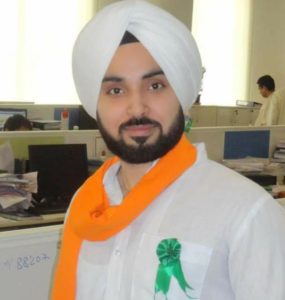
About the Author: Sukhvinder Singh Chaitanya
Sukhvinder Singh (Chaitanya) is an E-RYT 500 & YACEP yoga teacher with 20,000+ hours of experience across 40+ Yoga Teacher Training programs. He specializes in Ashtanga Vinyasa, Hatha, Yin Yoga, Yoga Therapy, Laughter Yoga, and Meditation. Founder of Yoga Chaitanya International Institute, he teaches students from India, Russia, Lebanon, Thailand, Taiwan, Bali and China. He shares his teachings through yoga philosophy blogs and his YouTube channels.