Panchakarma Retreat in Goa: Ayurveda, Yoga & Meditation
-
Written By: Sukhvinder Singh (Chaitanya)
- Published On:
- Last Updated: September 28, 2026
A Panchakarma retreat in Goa is an immersive Ayurveda experience that combines traditional Ayurvedic therapies with a structured daily routine, yoga, meditation, appropriate food and rest.
Yoga Chaitanya’s Ayurveda Retreat in Goa is a residential program near Querim Beach in Keri, North Goa. The published retreat combines Ayurvedic consultation and individualized therapies with yoga, meditation, pranayama, Ayurvedic meals and accommodation in a nature-based setting.
The retreat program is personalized according to the Ayurvedic doctor’s assessment and recommendations, so the therapies provided can vary from person to person.
What Is a Panchakarma Retreat?
Panchakarma is a traditional Ayurvedic therapeutic framework involving a group of procedures used within Ayurveda.
Government of India resources describe Panchakarma as a set of therapeutic procedures within Ayurveda, with specific procedures and preparatory and post-treatment stages described in Ayurvedic literature. The exact procedures used for an individual should be determined by a qualified Ayurvedic practitioner.
A Panchakarma retreat differs from a general wellness holiday because the experience can involve:
- Ayurvedic consultation
- Individualized treatment planning
- Ayurvedic therapies
- Structured meals
- Rest periods
- Yoga
- Meditation
- Pranayama
- A controlled daily routine
The purpose of a retreat is therefore not simply to visit Goa and receive a massage. It is to spend a defined period following a structured Ayurveda-focused routine.
Table of Contents
Panchakarma Retreat in Goa: How the Program Works
At Yoga Chaitanya, the retreat begins with an Ayurvedic consultation.
The Ayurvedic doctor assesses the guest and uses that consultation to determine the appropriate retreat approach and therapies.
The published program states that Panchakarma treatments are customized according to the individual’s Ayurvedic constitution and the doctor’s recommendation.
This is important because a Panchakarma retreat should not be approached as a fixed list of treatments that every guest receives in exactly the same sequence.
The actual program can depend on the individual’s assessment, practitioner recommendations and the retreat schedule.
What Panchakarma Therapies May Be Included?
The current Yoga Chaitanya retreat page lists several Ayurvedic therapies that may form part of the program.
Virechana
Virechana is an Ayurvedic procedure involving therapeutic purgation. It is one of the procedures described within Panchakarma in Ayurvedic sources.
Whether it is appropriate for a particular guest should be determined by the responsible Ayurvedic practitioner.
Need Help Understanding Panchakarma Retreat in Goa
Experience a Panchakarma retreat in Goa with Ayurvedic consultation, personalized therapies, yoga, meditation, pranayama, Ayurvedic meals and residential accommodation.
Vamana
Vamana is a therapeutic procedure described in Ayurvedic Panchakarma literature.
It is not something that should be undertaken independently or treated as a generic wellness procedure. Appropriate suitability and supervision are matters for the qualified practitioner overseeing the program.
Basti
Basti is an Ayurvedic procedure involving administration of preparations through the rectal route.
Because it is a practitioner-directed procedure, guests should receive clear information from the Ayurvedic doctor about whether it forms part of their individual program.
Nasya
Nasya involves administration of an Ayurvedic preparation through the nasal route.
As with other Panchakarma procedures, its use depends on the individual assessment and practitioner recommendation.
Abhyanga
Abhyanga is an Ayurvedic oil massage traditionally performed using warm oils.
The retreat page lists Abhyanga among the therapies available within its Ayurvedic program.
Shirodhara
Shirodhara involves the controlled pouring of liquid over the forehead as part of an Ayurvedic treatment practice.
It may be included depending on the retreat plan.
Kati Basti
Kati Basti is a localized Ayurvedic oil-based therapy applied to a specific area using a contained oil application.
Its inclusion should be determined according to the individual treatment plan.
Netra Tarpana
Netra Tarpana is an Ayurvedic eye-related procedure involving the application of medicated ghee around the eyes.
It should only be performed when recommended and supervised by the appropriate practitioner.
Important: The exact therapies offered to an individual guest can vary. The current Yoga Chaitanya program states that treatments are customized according to individual Ayurvedic constitution and doctor recommendation.
Ayurvedic Doctor Consultation
One of the most important parts of choosing a Panchakarma retreat is understanding who evaluates and supervises the program.
At Yoga Chaitanya, the published retreat structure begins with consultation with an Ayurvedic doctor.
The consultation is used to understand the individual’s Ayurvedic profile and determine an appropriate treatment approach.
Guests should use this consultation to communicate relevant information, including:
- Current medications
- Existing medical conditions
- Allergies
- Dietary restrictions
- Previous treatments
- Relevant medical history
- Questions about proposed therapies
Do not stop or change prescribed medication because you are attending an Ayurveda retreat. Medication decisions should be discussed with the healthcare professional responsible for prescribing it.
Yoga and Meditation During the Panchakarma Retreat
The retreat is not limited to Ayurvedic therapies.
Yoga Chaitanya’s published program integrates yoga and meditation into the daily routine.
The current schedule includes morning yoga practice, pranayama and meditation later in the day.
The site specifically describes Therapeutic Yin Yoga and Iyengar Yoga as part of the morning practice, alongside breathing practices and meditation.
This creates a retreat structure in which guests have time for:
- Yoga practice
- Breathing practices
- Meditation
- Ayurvedic treatments
- Meals
- Rest
- Quiet time
The specific schedule can change depending on the treatment process.
What Is a Typical Day Like?
The published Yoga Chaitanya schedule currently includes the following approximate structure:
| Time | Activity |
|---|---|
| 7:15–8:50 AM | Yoga Therapy / Yin Yoga |
| 9:00–10:30 AM | Breakfast |
| 10:30 AM–1:00 PM | Doctor/therapist meeting and treatments |
| 1:00–2:30 PM | Lunch and rest |
| 2:30–3:45 PM | Treatments / doctor meeting |
| 3:50–4:00 PM | Tea break |
| 4:10–4:30 PM | Pranayama and mudras |
| 4:30–5:30 PM | Meditation |
| 7:00–8:00 PM | Dinner |
The published website notes that the schedule can change depending on the treatment process.
This is why guests should treat the schedule as a general framework rather than a guaranteed timetable for every individual.
Where Is the Panchakarma Retreat in Goa Located?
Yoga Chaitanya’s Ayurveda retreat is located near Querim Beach in Keri, North Goa.
The site describes the retreat setting as being surrounded by greenery and hills, with access to nearby beaches and other local attractions.
The accommodation information currently describes:
- Twin-sharing rooms
- Private rooms
- En-suite bathrooms
- Wi-Fi
- Filtered water
- Vegetarian restaurant
- Ayurvedic and yogic meals
- Nature-oriented surroundings
The location is away from the busier tourist areas of Goa, providing a residential setting for the retreat experience.
Ayurvedic Food During the Retreat
Food is an important part of a residential Ayurveda program.
Yoga Chaitanya’s published retreat information describes vegetarian Ayurvedic and yogic meals prepared using seasonal fruits, vegetables and other locally sourced ingredients.
If you have allergies, dietary restrictions or other food-related requirements, discuss them with the retreat team before arrival.
The food provided during a Panchakarma program should be understood as part of the retreat’s overall routine rather than as a standalone treatment.
Who Is a Panchakarma Retreat in Goa For?
People considering a Panchakarma retreat may include:
- Ayurveda practitioners and students
- Yoga practitioners
- People interested in traditional Ayurvedic wellness
- Travelers seeking a structured wellness retreat
- People interested in combining Ayurveda with yoga
- People looking for a residential retreat experience
- Guests interested in meditation alongside Ayurvedic practices
Suitability is individual.
A Panchakarma procedure is not automatically appropriate for everyone. If you have a medical condition, are pregnant or breastfeeding, take prescription medication, or have another health concern, discuss your situation with an appropriately qualified healthcare professional and the Ayurvedic practitioner before booking.
Panchakarma Retreat vs Ayurveda Wellness Retreat
The terms are sometimes used interchangeably, but they can describe different levels of structure.
| Panchakarma Retreat | General Ayurveda Wellness Retreat |
|---|---|
| More treatment-focused | Broader wellness focus |
| May involve Panchakarma procedures | May emphasize massage, relaxation and lifestyle |
| Individual assessment is important | Program may be less intensive |
| Structured treatment schedule | Usually more flexible |
| Practitioner-directed therapies | Often broader wellness activities |
| Can include yoga and meditation | Can include yoga and meditation |
The exact meaning varies between retreat providers, so always check the actual program rather than relying only on the name.
Why Choose a Panchakarma Retreat in Goa?
Goa offers a combination of residential retreat settings, access to nature and an established wellness-travel environment.
For someone specifically looking for an Ayurveda and yoga retreat, the environment can be part of the overall experience.
Yoga Chaitanya’s retreat is located in North Goa near Querim Beach and combines residential accommodation with Ayurveda, yoga and meditation.
However, the location should not be the only factor when choosing a Panchakarma program.
The qualifications of the practitioner, treatment supervision, program transparency and suitability assessment are equally important.
How to Choose a Panchakarma Retreat in Goa
Before booking any Panchakarma retreat, ask these questions.
1. Is there an Ayurvedic doctor or qualified practitioner?
Find out who conducts the consultation and who determines the treatment plan.
2. Are treatments individualized?
A credible program should clearly explain whether therapies are selected according to individual assessment.
3. What exactly is included?
Ask for a written list of:
- Accommodation
- Meals
- Consultations
- Therapies
- Yoga
- Meditation
- Additional treatments
- Transfers, if applicable
4. How long is the program?
Panchakarma programs can vary considerably in duration.
Do not assume that a 3-day, 7-day, 10-day or 21-day program provides the same experience.
5. What happens during the consultation?
Ask what information the practitioner needs before determining your treatment plan.
6. What should you bring?
Ask the retreat about:
- Medical records if relevant
- Medication information
- Comfortable clothing
- Personal toiletries
- Travel documents
- Any dietary information
7. What are the cancellation and refund terms?
Read these before making a payment.
8. Who should not participate?
Ask the provider directly about contraindications, exclusions and situations requiring additional medical clearance.
What to Expect From a Residential Panchakarma Retreat
A residential Panchakarma retreat is different from booking one Ayurvedic massage during a holiday.
Your day may involve a combination of:
Consultation → Treatment → Rest → Meals → Yoga → Pranayama → Meditation → Sleep
The structure encourages guests to spend more time following the retreat routine rather than filling the day with sightseeing and outside activities.
If your main goal is tourism, a Panchakarma retreat may feel more structured than a conventional Goa holiday.
If your goal is an immersive Ayurveda experience, the residential format can provide a more focused environment.
Preparing for a Panchakarma Retreat in Goa
Before arrival:
- Read the full retreat program.
- Confirm the dates and duration.
- Ask which therapies may be included.
- Share relevant health information.
- Tell the retreat team about allergies and dietary restrictions.
- Keep a record of your current medications.
- Ask about airport or local transportation.
- Understand the accommodation arrangement.
- Review cancellation and refund terms.
- Ask what clothing and personal items you should bring.
For a more detailed preparation guide, see the Ayurveda Retreat Preparation resource.
Book a Panchakarma Retreat in Goa
If you are looking for a Panchakarma retreat in Goa, Yoga Chaitanya offers a residential Ayurveda retreat combining Ayurvedic consultation and therapies with yoga, meditation, pranayama, Ayurvedic meals and nature-based accommodation in North Goa.
The program is individualized, so the first step is to understand the current retreat dates, inclusions, accommodation options and consultation process.
Explore the Ayurveda Retreat in Goa or contact Yoga Chaitanya to discuss the current Panchakarma retreat program and booking requirements.
Frequently Asked Questions About Panchakarma Retreat in Goa
What is a Panchakarma retreat in Goa?
A Panchakarma retreat in Goa is a residential Ayurveda-focused experience that may combine practitioner-directed Panchakarma procedures with Ayurvedic meals, yoga, meditation, breathing practices, rest and a structured daily routine.
Where is Yoga Chaitanya's Panchakarma retreat located?
Yoga Chaitanya’s Ayurveda retreat is located near Querim Beach in Keri, North Goa.
How long is the Yoga Chaitanya Ayurveda retreat?
The main retreat page currently presents a 10-day Ayurveda and Yoga Retreat format, while its published schedule also lists specific upcoming retreat dates. Program details can change, so confirm the current duration before booking.
Does the retreat include Panchakarma treatments?
Yes. The current program describes Panchakarma-related therapies as part of the retreat, with treatments customized according to the individual’s Ayurvedic constitution and doctor recommendation.
Are all Panchakarma treatments given to every guest?
No. The current Yoga Chaitanya page states that treatments are customized based on individual assessment and doctor recommendation.
Does the retreat include yoga?
Yes. The published program includes yoga practice, including Therapeutic Yin Yoga and Iyengar Yoga, as part of the daily routine.
Does the Panchakarma retreat include meditation?
Yes. Meditation is included in the published retreat schedule, alongside pranayama and yoga.
Is Panchakarma suitable for everyone?
No single Panchakarma protocol is appropriate for every person. Suitability and individual procedures should be discussed with the qualified practitioner responsible for the program. People with medical conditions, those taking medication, and people in special circumstances should seek appropriate professional guidance before booking.
What should I ask before booking a Panchakarma retreat?
Ask about practitioner qualifications, consultation procedures, individual treatment planning, duration, therapies, accommodation, food, inclusions, exclusions, cancellation terms and what health information the provider needs before arrival.
Is a Panchakarma retreat the same as a normal Goa holiday?
No. A Panchakarma retreat follows a structured wellness and treatment routine. Guests should expect scheduled consultations, therapies, meals, rest and wellness practices rather than a conventional sightseeing-focused holiday.
Need Help Understanding Panchakarma Retreat in Goa
Experience a Panchakarma retreat in Goa with Ayurvedic consultation, personalized therapies, yoga, meditation, pranayama, Ayurvedic meals and residential accommodation.
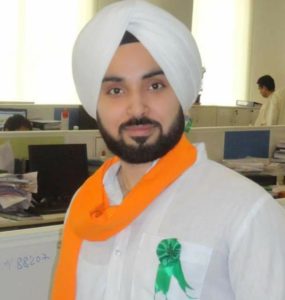
About the Author: Sukhvinder Singh Chaitanya
Sukhvinder Singh (Chaitanya) is an E-RYT 500 & YACEP yoga teacher with 20,000+ hours of experience across 40+ Yoga Teacher Training programs. He specializes in Ashtanga Vinyasa, Hatha, Yin Yoga, Yoga Therapy, Laughter Yoga, and Meditation. Founder of Yoga Chaitanya International Institute, he teaches students from India, Russia, Lebanon, Thailand, Taiwan, Bali and China. He shares his teachings through yoga philosophy blogs and his YouTube channels.