Top Yoga Teacher Training in India: How to Choose the Right Program
-
Written By: Sukhvinder Singh (Chaitanya)
- Published On:
- Last Updated: September 10, 2026
If you’re searching for a top yoga teacher training in India, you’re probably trying to answer a bigger question than simply, “Which school is the most popular?”
You want to know which program is worth the time, travel, financial commitment, and effort required to complete serious teacher training.
The right choice depends on what you want from the experience. Some students want a strong foundation for teaching. Others want to study Ashtanga Vinyasa, Yin Yoga, meditation, or therapeutic applications of yoga. International students may also need to consider residential life, total travel costs, certification pathways, and the practical realities of studying in India.
This guide explains how to evaluate your options and how Yoga Chaitanya International Institute fits into that decision.
Table of Contents
What Makes a Yoga Teacher Training One of the Top Programs?
There is no single yoga school that is objectively the best choice for every student.
A program that is ideal for someone focused on dynamic Ashtanga practice may not suit someone primarily interested in meditation or Yin Yoga.
A stronger way to evaluate a top program is to look at the factors that directly affect your education.
| What to Evaluate | Why It Matters |
|---|---|
| Curriculum | Shows what you will actually study |
| Lead teachers | Helps you understand who is responsible for your education |
| Teaching practice | Practice and feedback are essential for learning to teach |
| Certification pathway | Prevents confusion about school and individual credentials |
| Training format | Residential and non-residential programs create different learning environments |
| Specialization | Helps match the course to your goals |
| Total cost | Gives a more realistic financial picture |
| Program structure | Shows how theory, practice, and assessment fit together |
The most useful definition of “top” is therefore:
A program that is credible, transparent, well-structured, and genuinely suited to your goals.
Why Study With Top Yoga Teacher Training in India?
India is an important destination for students looking for an immersive yoga education.
For many international students, particularly those traveling from the United States, the appeal is not simply the location. It is the opportunity to spend several weeks focused on practice, philosophy, teaching methodology, meditation, and daily study within a residential environment.
That said, studying in India does not automatically make one program better than another.
The quality of the curriculum, teachers, practical training, student support, and learning environment still matters.
The better question is whether India offers the type of experience you want.
A residential program may be particularly relevant if you want to temporarily step away from normal routines and focus intensively on your training.
What Should a Strong 200 Hour Yoga Teacher Training In India Include?
A serious teacher-training program should be more than a long series of yoga classes.
Students should be able to understand exactly what they will study and how the training prepares them for practice and teaching.
Depending on the program, the curriculum may include:
- Asana practice
- Pranayama
- Meditation
- Anatomy and physiology
- Yoga philosophy
- Teaching methodology
- Sequencing
- Alignment principles
- Observation and feedback
- Teaching practicum
- Assessment
- Specialized subjects
Yoga Alliance’s current standards provide a useful framework for evaluating qualifying RYS programs, including educational areas related to practice, anatomy, yoga humanities, and professional essentials.
Before enrolling, ask for the actual curriculum rather than relying only on a course title.
Need Help Understanding Top Yoga Teacher Training in India
Top Yoga Teacher Training in India: How to Choose the Best Yoga Teacher Training
Teaching Practice Matters More Than Many Students Realize
Being able to perform a yoga posture and being able to teach it responsibly are different skills.
A strong teacher-training program should give students opportunities to practice:
- Explaining techniques clearly
- Demonstrating practices
- Creating sequences
- Observing students
- Giving instructions
- Receiving feedback
- Teaching under supervision
This is one of the most important distinctions between being a yoga practitioner and training to become a teacher.
When comparing programs, ask specifically how much practical teaching experience is included and how students receive feedback.
Understanding RYS 200 and RYT 200
Certification terminology can be confusing, so it is important to separate the school credential from the individual teacher credential.
RYS 200 refers to a Registered Yoga School and its qualifying 200-hour training.
RYT 200 refers to the Registered Yoga Teacher credential held by an individual who meets Yoga Alliance’s applicable registration requirements.
Completing a qualifying program does not mean a student automatically becomes an RYT 200 without completing the applicable individual registration process.
Yoga Alliance states that applicants for RYT registration must provide appropriate proof of successful completion from a Registered Yoga School.
Before paying a deposit, verify:
- The school’s current registration status.
- The exact designation of the program.
- What certificate you receive after completion.
- What steps may be required for individual registration.
- Any current Yoga Alliance requirements or fees.
For current standards and requirements, consult Yoga Alliance standards for RYS credentials and the official RYT registration certificate requirements.
Which Type of Top Yoga Teacher Training In India Should You Choose?
The best program for you depends heavily on what you want to practice and eventually teach.
Ashtanga Vinyasa and Yin Yoga
This combination may suit students who want both dynamic and slower practices within their training.
Yoga Chaitanya currently offers a residential 200 Hour Ashtanga Vinyasa & Yin Yoga Teacher Training that combines these areas with subjects such as pranayama, meditation, philosophy, anatomy, and teaching practice.
Yin Yoga and Meditation In India
Students who are particularly interested in slower practice, stillness, contemplation, and meditation may prefer a more specialized pathway.
Yoga Chaitanya offers a dedicated 200 Hour Yin Yoga & Meditation Teacher Training as part of its residential training options.
Yoga Therapy In India
A Yoga Therapy-focused course may appeal to students interested in learning how yoga practices can be adapted for individual needs.
However, students should carefully understand the scope of any foundational program.
A 200-hour yoga therapy course should not automatically be treated as equivalent to advanced clinical healthcare or professional medical training. The exact scope and credential should always be reviewed before enrollment. Yoga Chaitanya’s published information also distinguishes its foundational training from advanced clinical healthcare credentials.
Residential vs. Non-Residential Top Yoga Teacher Training In India
The format of your training can significantly affect your experience.
Residential Training
Residential training generally allows students to live and study within the same environment.
Potential advantages include:
- A more focused daily routine
- Consistent practice
- Fewer normal-life distractions
- More interaction with teachers and fellow students
- Greater immersion in the training environment
Non-Residential Training
Non-residential programs may be more practical for students who need flexibility around work, family, or existing responsibilities.
Neither format is automatically better.
The important question is:
Which environment will help you learn effectively and complete the training responsibly?
Yoga Chaitanya’s published India programs are structured as residential teacher-training pathways.
If residential training is what you are considering, explore Yoga Teacher Training in India at Yoga Chaitanya.
How Much Does Top Yoga Teacher Training in India Cost?
The advertised course fee is only one part of the total financial decision.
A realistic budget should include:
Total cost = training fee + accommodation + meals + flights + travel documents + insurance + local transportation + personal expenses + applicable registration costs
Yoga Chaitanya currently publishes residential 200-hour program pricing that varies by program and room type, with listed fees including accommodation and meals for the relevant packages. Current prices and inclusions should always be confirmed directly before booking because programs and pricing can change.
When comparing schools, do not simply ask:
“Which course is cheaper?”
Ask instead:
“What is included in the complete experience, and what will my entire trip actually cost?”
How to Compare Top Yoga Teacher Training Programs in India
Use your personal goal as the starting point.
| Your Priority | What to Look For |
|---|---|
| Build a broad teaching foundation | Structured curriculum and meaningful practicum |
| Study dynamic yoga | Strong methodology and sequencing |
| Combine active and slow practices | A program combining complementary styles |
| Focus on meditation | Dedicated meditation and contemplative study |
| Explore therapeutic applications | Responsible scope and clearly defined curriculum |
| Want immersion | Residential training |
| Traveling internationally | Transparent support and complete cost information |
| Interested in a Yoga Alliance pathway | Current registration and accurate credential information |
This approach is more useful than choosing a school simply because it describes itself as the “number one” option.
Questions to Ask Before Paying for a Top Yoga Teacher Training In India
Before making a deposit, ask the school:
- Who will actually teach the program?
- What are the teachers’ relevant qualifications?
- Can I review the complete curriculum?
- How much supervised teaching practice is included?
- How are students assessed?
- What certificate will I receive?
- What is the school’s current registration status?
- What costs are included?
- What costs are excluded?
- What accommodation is provided?
- What support is available for international students?
- What are the current training dates?
- What happens if I cannot complete the course?
Clear answers to these questions are a strong sign of transparency.
Common Mistakes When Choosing Top Yoga Teacher Training in India
Choosing Based Only on Price
The lowest tuition fee may not represent the lowest total cost.
Accommodation, meals, flights, transportation, and personal expenses can significantly change your budget.
Choosing Based Only on a 200-Hour Label
Two programs with the same number of hours can have very different curricula and levels of practical teaching experience.
Assuming All Certifications Mean the Same Thing
Always distinguish between:
- The school’s registration
- The course completion certificate
- The individual’s professional registration pathway
Ignoring the Teaching Style
Do not choose a course simply because it appears popular.
Your interests in Ashtanga, Yin, meditation, philosophy, or therapeutic applications should influence the decision.
Booking Before Reviewing the Curriculum
You should know what you will spend several weeks studying before committing financially.
Why Yoga Chaitanya May Be Relevant to Your Search
Yoga Chaitanya International Institute offers several residential 200-hour yoga teacher training pathways in India rather than placing every student into the same curriculum.
Its published programs include:
- 200 Hour Ashtanga Vinyasa & Yin Yoga Teacher Training
- 200 Hour Yin Yoga & Meditation Teacher Training
- 200 Hour Yoga Therapy Teacher Training
The institute identifies Sukhvinder Singh Chaitanya as its founder and lead trainer and publishes his E-RYT 500 and YACEP credentials along with his teaching experience.
The practical advantage for prospective students is that the available pathways are organized around different learning interests.
That means you can choose a program based on what you actually want to study rather than assuming every 200-hour course offers the same experience.
Which Yoga Chaitanya Program Fits Your Goal?
| If Your Main Goal Is | Relevant Direction |
|---|---|
| Dynamic practice with Yin balance | Ashtanga Vinyasa & Yin Yoga |
| Slower practice and meditation | Yin Yoga & Meditation |
| Exploring therapeutic applications responsibly | Yoga Therapy |
| Comparing all available options | Yoga Teacher Training in India |
You can review the available pathways through Yoga Chaitanya’s Yoga Teacher Training in India programs.
Is India the Right Destination for Your Yoga Teacher Training?
India may be the right choice if you want:
- An immersive learning experience
- Residential study
- Several weeks dedicated primarily to training
- Exposure to yoga education within India
- A structured international travel and study experience
It may be less suitable if you cannot take extended time away from work or family, prefer part-time study, or are not comfortable with the practical demands of international travel.
The destination should support your learning goals rather than become the only reason you choose a program.
Final Takeaway
The right choice among the top yoga teacher training programs in India is not necessarily the school with the loudest marketing or the lowest advertised price.
It is the program that gives you:
- A curriculum that matches your goals
- Teachers you can evaluate clearly
- Meaningful teaching practice
- Accurate certification information
- A suitable learning environment
- Transparent costs and expectations
For students considering residential training in India, Yoga Chaitanya offers different 200-hour pathways in Ashtanga & Yin Yoga, Yin Yoga & Meditation, and Yoga Therapy. The best option depends on what you want to practice, study, and eventually teach.
If you’re ready to compare the available residential pathways, start with Yoga Chaitanya’s Yoga Teacher Training in India programs and review the curriculum and current program details before making your decision.
Frequently Asked Questions Top Yoga Teacher Training in India
What is considered a top yoga teacher training in India?
A strong program should have a clearly explained curriculum, qualified teachers, meaningful teaching practice, transparent certification information, and a format that fits your learning goals.
Is a 200 hour yoga teacher training enough to become an RYT 200?
A qualifying 200-hour training can provide the educational foundation required for the RYT 200 pathway, subject to Yoga Alliance’s applicable registration requirements. The school’s RYS designation and the individual’s RYT credential are different things.
Is residential yoga teacher training better?
Not automatically. Residential training can provide greater immersion and focus, while non-residential training may offer more flexibility.
What should international students consider before training in India?
International students should consider the complete travel budget, accommodation, program structure, travel requirements, insurance, local transportation, and the time commitment required.
How do I choose between Ashtanga, Yin, and Yoga Therapy training?
Start with your long-term interest. Choose Ashtanga and Yin if you want a combination of dynamic and slower practices, Yin and Meditation for a more contemplative direction, or Yoga Therapy if you are specifically interested in therapeutic applications and understand the program’s scope.
Should I choose a school based on rankings?
No. Rankings and marketing claims do not necessarily show whether a program fits your goals. Curriculum, teachers, teaching practice, transparency, and program suitability are more useful decision factors.
Need Help Understanding Top Yoga Teacher Training in India
Top Yoga Teacher Training in India: How to Choose the Best Yoga Teacher Training
About the Author: Sukhvinder Singh Chaitanya
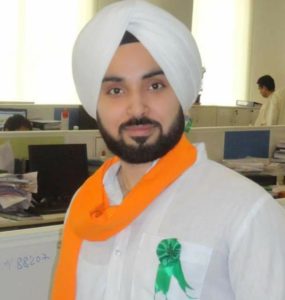
Sukhvinder Singh (Chaitanya) is an E-RYT 500 & YACEP yoga teacher with 20,000+ hours of experience across 40+ Yoga Teacher Training programs. He specializes in Ashtanga Vinyasa, Hatha, Yin Yoga, Yoga Therapy, Laughter Yoga, and Meditation. Founder of Yoga Chaitanya International Institute, he teaches students from India, Russia, Lebanon, Thailand, Taiwan, Bali and China. He shares his teachings through yoga philosophy blogs and his YouTube channels.