Yoga Therapy Training & Certification in India

What Is Yoga Chaitanya’s 200-Hour Yoga Therapy Teacher Training?

Yoga Chaitanya offers a 23-day residential yoga therapy training in India focused on adaptation, sequencing, and supervised teaching.
Yoga Chaitanya International Institute’s 200-hour Yoga Therapy Teacher Training in India develops the ability to observe individual needs and adapt yogic practices rather than teach one fixed sequence to everyone.

The yoga therapy program integrates Iyengar-based asana, props, anatomy, pranayama, meditation, Yoga Nidra, Ayurveda, philosophy, kriyas, mudras, assessment skills, therapeutic sequencing, and supervised practicum.

Students learn to consider movement, breath, experience, limitations, and contraindications before selecting or modifying practices. This 200-hour yoga therapy training provides a non-clinical foundation in therapeutic yoga teaching and does not authorize medical diagnosis or replace healthcare treatment.

What Does the Yoga Therapy Training Experience Look Like?

The residential yoga therapy training combines daily practice, small-group study, teacher feedback, and supervised teaching in one setting.

The course video shows residential practice, practical instruction, and the learning environment at Yoga Chaitanya.

Established

For 12+ Years

E-RYT 500

Lead Teacher

20,000+

Teaching Hours

100+

Certified Teachers

Students from

20+ Countries

Yoga Alliance

RYS 200

Quick Facts About This Yoga Therapy Training in India?

The 23-day yoga therapy training includes 200 hours, small-group teaching, accommodation, meals, practicum, and three completion certificates.
Quick Fact Course Details
Duration
23 days / 200 hours
Location
Goa & Himalayas, India
Certification
Three certificates, including institute yoga therapy certification; school is RYS 200
Starting Fees
USD 1,800 shared / USD 2,000 private
Included
Residential stay, meals, materials and practicum

How Does This 200-Hour Yoga Therapy Training Compare With Professional Yoga Therapy Education?

Yoga Chaitanya provides a 200-hour residential foundation, while accredited professional Yoga Therapy pathways require substantially longer study.
The term yoga therapy certification can describe different educational levels. Yoga Chaitanya’s yoga therapy certification is institute-issued and documents successful completion of this specialist program; it is not presented as a professional C-IAYT qualification.

International Association of Yoga Therapists standards require an entry-level accredited program to include at least 800 hours over a minimum of two years. The two pathways therefore differ in duration, scope, credential, cost, and intended outcome.
Factor Yoga Chaitanya: 200-Hour Foundation IAYT-Accredited Professional Pathway
Duration
23 days / 200 hours
Minimum 800 hours over at least 2 years
Format
Residential, in-person, India
Varies by school; may include in-person, hybrid or distance components
Accreditation
Yoga Chaitanya is RYS 200; specialist certificate is institute-issued
Professional Yoga Therapy program accredited by IAYT
Outcome
Observation, adaptation, sequencing and supervised therapeutic yoga teaching
Extended professional Yoga Therapy competencies and practicum
Best For
Yoga teachers, practitioners and wellness professionals seeking a concentrated foundation
Students pursuing professional Yoga Therapist education
Certification Path
Institute-issued yoga therapy certification
Graduates may pursue C-IAYT subject to current requirements
Cost
From USD 1,800, including stated residential components
Current 875-hour examples: €8,375 excl. VAT and US$14,895, depending on provider and format
Primary Goal
Add therapeutic observation, adaptation and sequencing to yoga teaching
Complete a longer professional Yoga Therapist education pathway
The comparison is not like-for-like. Yoga Chaitanya offers a shorter and more affordable 200-hour yoga therapy training because its stated purpose is different: it provides a concentrated residential foundation rather than claiming equivalence to a professional 800+ hour qualification.
 
Yoga Alliance also makes this distinction clear. Its official Yoga Therapy Policy explains that RYS, RYT, and YACEP designations do not themselves provide a yoga therapy credential. Yoga Chaitanya therefore clearly identifies Yoga Chaitanya International Institute as the issuer of its specialist yoga therapy certification.

Who Should Join This Yoga Therapy Teacher Training in India?

The yoga therapy teacher training in India suits yoga teachers, serious practitioners, and qualified health or wellness professionals.
The yoga therapy teacher training in India suits yoga teachers, serious practitioners, and qualified health or wellness professionals seeking applied yoga education.

Yoga Teachers and Experienced Practitioners

Develop observation, individual modifications and sequencing beyond a standard group-class format. Previous practice is recommended; advanced postures are not a prerequisite.

Physiotherapists, Nurses and Healthcare Professionals

Explore complementary yoga tools within the professional scope, competence and local legal requirements of an existing healthcare qualification. This 200-hour yoga therapy training in India does not confer a healthcare licence.

Counsellors, Psychotherapists and Wellness Professionals

Study breath, relaxation, meditation and appropriate individualization as complementary education without making clinical claims outside existing qualifications.

Massage Therapists, Alternative Practitioners and Senior-Care Workers

Learn accessible, prop-supported, chair-based, and appropriately paced practice for different ages, movement capacities, and group settings.

What Do Students Say About the Yoga Therapy Teacher Training in India?

Graduates of Yoga Therapy Teacher Training India describe transformational learning, therapeutic depth, and renewed professional healing confidence.

Not Sure ? See Our Results !

Read about the Magical Experience

Sara Friedman
Sara Friedman
★★★★★
Physiotherapist, France
"I can't recommend enough Yoga Chaitanya. The experience they gave was beyond any expectations. I was looking for the Best Yoga Therapy Course in India to enhance my knowledge as a healer. And I can say that, this Yoga Therapy Training in India is the best one !! This teacher training course gave me an entirely new path to follow. I understand the concept of using yoga as a therapeutic and spiritual practice. Now I can use these skills & knowledge to heal my patients. I am thankful for the amazing three weeks... that I spent in Goa at Yoga Chaitanya!!!
Mandy Barth
Mandy Barth
★★★★★
Medical Assistant, Germany
"Yoga Chaitanya International is the real deal. I only stayed for 25 days for Yoga Therapy Training in India at Dharamshala. But had a great experience and learned a lot...in this course! I can truly recommend this yoga therapy training course in India. If you are looking to get a deeper knowledge of yoga and yourself. This is a wonderful place with a great vibe and joyful and kindhearted people. The food is amazing, location is beautiful ❤️. The program covers the therapeutic approach of asanas and breathing practices. Also includes ayurveda, yoga nidra, mudras, cleansing techniques. This program really helped me to get a much deeper insight into yoga and yoga philosophy. I loved every minute" ❤️🙏
Laura Clark
Laura Clark
★★★★★
Dietitians and Nutritionists, Netherlands
I did my 200-hour yoga therapy training in India at Dharmshala with Yoga Chaitanya. This school is well organized, food is really great, they offer Ayurvedic meals. The school is located on the hill. It's a paradise with nature & birds. The best part of training is sukhvinder always emphasizes the art of teaching. He will help to deal with your fears of teaching, stage fear... which I feel is very important for a yoga teacher. If you are looking for a family-like feeling, connections, transformational meditations. But also a Yoga Therapy Course in India with Ayurveda and amazing teachers.... it is the right school. I learned so much about myself... I wouldn't have imagined it before. Life changing"!

How Does Yoga Chaitanya Teach Therapeutic Application?

Yoga Chaitanya teaches therapeutic application through six steps: observe, assess, adapt, sequence, teach, and review.
Yoga Chaitanya uses six connected steps: observe, assess, adapt, sequence, teach, and review.

Observe: Notice movement, posture, breath, comfort, and limitations. Assess: Gather practice history, goals, and relevant contraindications without diagnosing illness. Adapt: Adjust props, movements, range, duration, and breathwork. Sequence: Match preparation, intensity, counterposes, and relaxation to the individual. Teach: Use clear demonstration, cueing, and safe corrections. Review: Receive feedback, reassess appropriateness, and refine the plan.

Observe → Assess → Adapt → Sequence → Teach → Review
.

This framework explains how the yoga therapy program teaches decision-making before students study the complete syllabus. Founder Sukhvinder Singh Chaitanya emphasizes observation before choosing a technique in yoga therapy training.

What Will Students Learn in the Yoga Therapy Teacher Training?

The 200-hour Yoga Therapy Teacher Training in India covers therapeutic practice, assessment, sequencing, teaching, ethics, and final practicum.
The 200-hour Yoga Therapy Teacher Training in India covers every listed practice, teaching component, assessment, and professional module across 13 syllabus modules.
The structural core of the 200-hour yoga therapy training in India uses Iyengar-based alignment principles, props, modifications, and individual sequencing.


Practices & Preparatory Exercises

Yoga eye exercises; fundamentals of asana; classical Surya Namaskar; modified Surya Namaskar for older and injury-sensitive practitioners; Chair Yoga and structured prop use; anti-rheumatic/wind-release exercises for joints and traditional Vata management; digestive wind-release exercises in the Vata/Pitta framework; and energy-releasing exercises associated with Kapha activation.
Students study purpose, progression, and precautions rather than treating traditional classifications as medical diagnoses.


Iyengar-Based Posture Categories

Standing poses, forward bends, backbends, lateral movements, twists, inversions, and meditation postures, taught with attention to alignment, accessibility, preparation, and effects of each pose family.
 

Therapeutic Adaptation & Sequencing

Beginner and advanced modifications; contraindications and common health considerations; safe pose adaptation; Sanskrit asana pronunciation and traditional benefits; effects of posture categories; props; warm-ups, peak poses and counterposes; lesson plans; therapeutic class sequencing; and Iyengar-style sequences for selected health scenarios within a non-clinical scope.
 

Observation & Assessment Foundations

Self/student health observation, body reading, interviewing, basic intake and assessment, planning and implementing an individualized therapeutic yoga practice, healing communication, and professional student interaction.
 
Students learn when to modify or refer rather than diagnose or issue a medical treatment plan.

Theory & Breathing Foundations

Meaning and importance of prana; anatomy and science of breathing; stages and classifications of pranayama; breath awareness; breath-balancing posture; abdominal, thoracic, and clavicular breathing; and full yogic breathing.


Pranayama Techniques

Kapalabhati, Bhastrika, Nadi Shodhana, Anulom Vilom, Ujjayi, Bhramari, Sheetali, Sheetkari, Surya Bhedana and Chandra Bhedana.


Therapeutic Application & Safety

Each technique includes modifications, traditional benefits, precautions, contraindications, and teaching methodology. Students choose breath practices according to individual needs and avoid claims of medical treatment.

Theory & Teaching

Definition and science of meditation, meditation postures, types of practice, therapeutic relevance, teaching instructions, and session design.


Meditation Practices

Vipassana; Chakra Sound Meditation; Chakra Breathing Meditation; Kundalini Meditation; Nadabrahma Meditation; Silence Meditation; guided relaxation/Yoga Nidra; Body-Mind Balancing Meditation; and meditation approaches for pain and suffering.


Individualized Relaxation

In yoga therapy training, students design and guide Yoga Nidra for selected individual needs and health-related scenarios, with suitable language, duration, and precautions rather than condition-treatment claims.

Techniques & Precautions

Jal Neti; Agnisar Kriya; Kunjal Kriya; Trataka; Shankhaprakshalana (Varisara Dhauti); Laghoo Shankhaprakshalana; TTK; Ganesh Kriya; and Ashwini Kriya.

Teaching includes preparation, contraindications, supervision, and appropriate discretion for intensive practices.

Bandhas

Mula Bandha, Uddiyana Bandha, Jalandhara Bandha, and Maha Bandha, including their traditional application in yoga practice and precautions.


Mudras

Science of Hasta Yoga Mudras; Tattva Yoga Mudras; Prana Yoga Mudras; mudras for pranayama and meditation; traditional applications for common health concerns; and personality-development integration.


Mantras

Meaning and traditional therapeutic application; opening and closing mantras; self-healing mantras; and peace mantras.
Online recorded classes are provided after enrollment and payment of the booking fee.


Body Systems

Cardiovascular, respiratory, digestive, skeletal, muscular, endocrine, urinary, integumentary, lymphatic, nervous, and reproductive systems.


Applied Movement & Safety

Biomechanics; the spine and common disorders; postural misalignment; movement limitations; and safe, accessible yoga practice design.
This knowledge supports responsible adaptation, not clinical diagnosis.

Texts, Principles & Subtle Anatomy

History and essence of yoga; Eight Limbs; Patanjali Yoga Sutras; Bhagavad Gita; Mahabharata context; Hatha Yoga Pradipika; subtle anatomy; chakras; koshas; nadis; granthis; prana and prana vayus; three gunas; and yogic diet and vegetarian discipline.

Principles & Constitutional Understanding

Meaning and history of Ayurveda; five elements; Vata, Pitta and Kapha; prakriti and vikriti; constitutional assessment; dosha imbalance; and traditional definitions of health and disease.


Dietary & Lifestyle Application

Six tastes; dosha-balancing diet; Ayurvedic daily routine; physical and mental hygiene.
 
This is traditional lifestyle education, not a licence to diagnose or prescribe medical treatment.
Online recorded classes are provided after enrollment and payment of the booking fee.


Theory, Techniques & Facilitation

Philosophy and science of Laughter Yoga; research and health benefits; contraindications; session structure and protocols; leadership and communication; stage presence and body language; laughter meditation; 40 foundational exercises; and group dynamics.


Audiences & Delivery Formats

Corporations, schools, seniors, public seminars, laughter clubs, business applications, media and publicity, Skype/telephone laughter, and World Laughter Day.


Integration & Closing Practices

Science of breathing in laughter; post-session grounding; integration with pranayama, chanting, Yoga Nidra, and silence meditation.
The module supports Laughter Yoga Leader certification.

Teaching Formats & Techniques

This yoga therapy program includes one-to-one teaching, small-group facilitation, large-group leadership, Iyengar-based therapeutic postures, pranayama, mudras, meditation, and Laughter Yoga.


Sequencing & Classroom Skills

Therapeutic sequence design; Iyengar-style sequences for selected health scenarios; integrated class planning using asana, pranayama, mudras, kriyas, Yoga Nidra, Ayurvedic dietary principles, laughter and meditation; verbal, visual and physical cueing; alignment adjustments; safety; voice modulation; floor presence; class management; giving and receiving feedback; ethics and studio management.

Assessment Components

Written examination, technique demonstration in asana/pranayama/meditation, and supervised teaching practicum.


Final Practicum & Case Study

Lead a self-designed 90-minute yoga therapy class and submit a case study using a holistic, non-clinical framework.
Scenarios may address chronic pain, heart disease, back pain, or selected health challenges; the task is to explain adaptation, precautions, scope, and referral, not diagnose or treat illness.
Mentored practice develops competence for groups and one-to-one teaching

Professional Responsibilities

Scope of practice, code of conduct, ethical commitment, marketing and promotion, business-development tools, liability insurance, waivers and invoicing.

Final-Week Reflective Practice

Guided meditation, reflective questionnaires, structured self-inquiry, and self-observation support personal awareness, relational understanding, and integration of yogic living into professional maturity.

What Will Students Gain and Receive From the Yoga Therapy Program?

Graduates gain adaptive teaching skills, observation competence, supervised practice, three certificates, and complimentary wellness benefits.
Graduates gain therapeutic design skills, observation, supervised teaching confidence, three certificates, professional knowledge, and complimentary wellness benefits.


Therapeutic Design & Application Skills

Plan structured, non-clinical sessions using Iyengar-informed asana, pranayama, meditation, Yoga Nidra, mudras, kriyas, Laughter Yoga, and foundational Ayurveda lifestyle guidance.
This yoga therapy training teaches when to select, adapt, or omit a technique rather than apply a fixed prescription.


Assessment & Observation Skills

Use basic intake and interview frameworks, functional observation, body-reading awareness, and sequencing for different body types, energy patterns, and goals.
Adapt practice for older adults, injury-sensitive students, and diverse groups within a clear teaching scope.


Confidence to Teach Therapeutic Yoga

Guide therapeutic asana, pranayama, meditation, Yoga Nidra, Laughter Yoga, and integrated individual/group sessions.
Supervised yoga therapy training, corrections, feedback, technique demonstrations, and the final practicum connect knowledge to actual instruction.


Personal Growth & Yogic Lifestyle Integration

Develop Swadhyaya, self-reflection, deeper personal meditation, applied philosophy and daily yogic habits through the residential training environment.


Yoga Therapy Certification & Professional Development

The 200-hour Yoga Therapy Teacher Training in India provides three certificates on successful completion:
  1. Certificate in Yoga Therapy — issued by Yoga Chaitanya International Institute.
  2. Certificate in Holistic Yoga with Ayurvedic Approach — Yoga Chaitanya’s 200-hour training within its Yoga Alliance RYS 200 school structure.
  3. Laughter Yoga Leader Certification — International Laughter Yoga University, as listed in the institute’s syllabus.
The specialist yoga therapy certification is institute-issued; Yoga Alliance RYS 200 registration is a school designation, not IAYT accreditation or an independent Yoga Therapist credential.
Yoga therapy certification is awarded after successful course completion and assessment. Graduates also study scope, conduct, documentation, liability, waivers, invoicing, basic marketing, and business development.


Complimentary Add-Ons

One Ayurvedic consultation, one Ayurvedic massage session, a Yoga Chaitanya Ayurvedic herbal wellness tea pack, and a continuing-education discount for future programs, subject to the published booking offer.
These are included benefits of the yoga therapy program, not separate course modules.

What Do Graduates Say About the Yoga Therapy Teacher Training?

Course-specific graduate videos show how students connected therapeutic yoga study with professional interests and personal practice.
Course-specific graduate videos show how students applied the training to professional interests and personal practice.

Yoga Therapy Teacher Training Reviews & Student Experiences

2 Videos
Student Testimonial
Melanie – United Kingdom
Course: Yoga Therapy Teacher Training

Location: India (Goa)
Format: Residential / Intensive

Melanie from the UK shares her experience of joining a Yoga Therapy Teacher Training in India and her intention to work with women over 50.

“Hello, my name is Melanie and I’m from the UK. I’ve always loved yoga, but I’ve never had the time to focus upon it. So I’ve got to a stage in my life where I can do that.
I wanted to look for somewhere that was going to be really good training compacted within a set amount of time, and I looked hard and long for the right course. I found Sukhi, and after chatting back and forth, I chose his therapeutic yoga course. I came to Goa in India for 5 weeks, and it’s been one of the best decisions I’ve ever made. I want to teach women who are over the age of 50, and I want to tailor-make the course for women who may be struggling with health issues or body problems.
Sukhi has been fantastic. He has been exacting, he’s been precise, he’s been very caring and totally thorough.
I can highly recommend him to teach you if this is the kind of course you want to go on.
Staying here has been really lovely and relaxing. I haven’t had to think about food—the food has been Ayurvedic and fantastically nourishing.
I’ve even lost weight a bit, and yet I’ve eaten three good meals a day.
It’s been a lovely, peaceful, tranquil place in lush greenery, and there’s a beach walkway, so you couldn’t get somewhere nicer to stay than here.”
 
Key Experience Highlights

Reviews for Yoga Therapy Teacher Training in India

What Our Students Say About Yoga Therapy Training in India

“5★ on Google · Two Locations · 55+ Reviews”

Why Choose Yoga Chaitanya for Yoga Therapy Training in India?

Yoga Chaitanya combines founder-led teaching, small batches, 20,000+ lead-teacher hours, and supervised residential practical training.
The yoga therapy teacher training in India combines founder-led instruction, small groups, an integrated curriculum, and supervised practical work. Its specialist certificate is clearly identified as institute-issued.
 
Trainer Access: Lead trainer Sukhvinder Singh Chaitanya is E-RYT 500 and YACEP with 20,000+ teaching hours.
Small Groups: Batches of approximately 10–12 make feedback and observation more accessible.
Teaching Depth: The 200-hour yoga therapy training connects theory with practical adaptation rather than emphasizing pose performance.
Residential Continuity: Practice, study, meals, reflection, and class preparation share one setting.
Clear Scope: Institute specialist certification is distinguished from longer professional IAYT pathways.

Where Can Students Verify Yoga Chaitanya’s Experience and Credentials?
Students can verify the school, teacher credentials, reviews, and published educational work through independent external platforms.
Independent registry and review links let students check the school, teacher credentials, and residential course experience before enrolling.
Credentials: Yoga Alliance RYS 200 school registration; lead trainer’s E-RYT 500 and YACEP credentials.
Student Experience: Direct links to current Google, TripAdvisor, and relevant retreat-directory reviews.
Published Education: Link to attributable work on Elephant Journal, OM Yoga Magazine, or Insight Timer where verified. Keep credentials, directory listings, and published work under distinct labels.

Who Leads the Yoga Therapy Teacher Training in India?
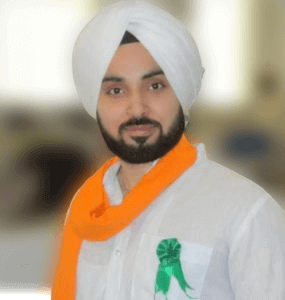
Founder Sukhvinder Singh Chaitanya leads the training as an E-RYT 500 and YACEP with more than 20,000 teaching hours.
Sukhvinder Singh Chaitanya, founder and lead yoga teacher at Yoga Chaitanya International Institute

(ERYT-500 & YACEP with 20,000+ hours of teaching experience)

Yoga teaching credentials of Sukhvinder Singh Chaitanya including E-RYT 500, YACEP, Laughter Yoga, and Osho International training
Sukhvinder Singh Chaitanya is the founder and lead trainer of the 200-hour Yoga Therapy Teacher Training in India at Yoga Chaitanya International Institute. With more than 20,000 hours of teaching experience and decades of personal practice, his approach to yoga therapy emphasizes clarity, alignment, responsibility, and integration of classical knowledge systems.

Born and raised in India within a spiritually grounded Sikh family, his journey into yogic philosophy and meditation began in early adolescence. After completing formal education in engineering and working in multinational corporations, he transitioned fully into yoga and meditation practice, studying in various ashrams and undergoing extensive meditative training, including Vipassana and Osho-based therapies.
His therapeutic training integrates:
  • Iyengar-based alignment methodology.
  • Classical Hatha Yoga.
  • Ashtanga and Yin Yoga.
  • Foundational Ayurveda.
  • Laughter Yoga.
  • Meditation sciences.
He is certified as E-RYT 500 and YACEP through Yoga Alliance USA and has facilitated yoga teacher trainings, retreats, and workshops across India, Russia, Lebanon, Taiwan, and Thailand.

Within the Yoga Therapy Teacher Training program, you are guided to develop structured therapeutic frameworks while maintaining the ethical scope of practice and respect for traditional yogic foundations. The emphasis remains on disciplined application, discernment, and responsible transmission.

Where Is the Yoga Therapy Teacher Training in India Held?

The yoga therapy teacher training in India runs in Goa and selected Himalayan batches when listed on the live training calendar.

Quick Comparison – Yoga Therapy Training in Goa vs Himalayas

Feature Goa Himalayas
Location Setting
Quiet coastal village in North Goa
Ashram-style campus in the Himalayan foothills
Natural Surroundings
Beaches, palm trees, sea breeze
Cedar & Pine forests, environment, mountain views
Learning Atmosphere
Balanced, open, restorative
Silent, introspective, immersive
Accommodation
Twin/private Wooden rooms with attached bathrooms
Twin/private Eco cottages (mud, stone, bamboo/wood) with attached bathrooms
Climate
Warm, coastal climate
Cooler mountain climate
Ideal For
Students preferring coastal calm and gentle climate
Students seeking focused mountain immersion

What Accommodation and Food Are Provided During the Yoga Therapy Program?

The residential yoga therapy training includes 23 nights of accommodation, three vegetarian meals daily, and on-site learning support.
The residential yoga therapy program includes 23 nights of accommodation and three vegetarian meals daily. The yoga therapy training setting supports uninterrupted study and practice.

Choose shared or private accommodation according to the selected fee; confirm room configuration and amenities for the active batch.

Meals follow the institute’s yogic/Ayurvedic vegetarian approach, with tea/coffee and filtered water as listed. Notify the school of allergies and essential dietary needs before paying so it can confirm what is possible.

What Does the Yoga Therapy Program Cost and Include?

The residential yoga therapy training starts at USD 1,800 and includes tuition, accommodation, meals, study resources, and assessment.
The residential fees start at USD 1,800 for shared accommodation or USD 2,000 for private accommodation, with accommodation, meals, study, and assessment included. The yoga therapy certification is part of the listed course fee.
Training Program Shared Room Fee Single Room Fee
Yoga Therapy Teacher Training
$1,800
$2,000

What Is Included in the Yoga Therapy Teacher Training?

Yoga Therapy Teacher Training fee covers tuition, 23 nights, Ayurvedic meals, three certifications, study materials, and practicum sessions.
The current yoga therapy program booking fee is USD 500 and is non-refundable under the published policy. Check the complete yoga therapy program offer before payment. Confirm any changing discounts or payment terms before paying.

What's Included

Category Included in the Offer
Tuition
200-hour Yoga Therapy Teacher Training, supervised practicum and assessments

Certification

Yoga Alliance RYS-200 certification (Holistic Yoga)
Yoga Therapy Certification
Laughter Yoga Leader certification 

Accommodation

23 nights (shared or single, as selected)

Meals

Three vegetarian Ayurvedic & Yogic meals daily, coffee & filtered water

Study Materials

Course manual and online course content; recorded Anatomy and Laughter Yoga modules after deposit
Teaching Support
Practical teaching, demonstrations and feedback
Wellness Extras
One Ayurvedic consultation, one massage and herbal/Ayurvedic wellness tea pack
Future Study
Continuing-education discount where offered under current terms

What's not Included

Category Not Included

Travel

International or domestic airfare & local transportation (Airport transfers)

Visa

Visa fees & processing

Insurance

Travel / medical insurance

Personal Expenses
Laundry, shopping, excursions and private therapy sessions
Individual Registration
Separate Yoga Alliance RYT application/registration fee, if applicable
Extended Stay
Extra nights beyond the booked residential period

What Does a Typical Yoga Therapy Training Day Look Like?

A typical training day combines asana, Ayurveda, alignment labs, philosophy, pranayama, meditation, meals, and supervised learning.
The training day combines asana, Ayurveda, alignment labs, philosophy, pranayama, meditation, and scheduled meal breaks.
Time Scheduled Class
7.15 am to 8.50 am
Yoga Therapy asana practice
9.00 am to 10.30 am
Breakfast
10.15 am to 11.00 am
Ayurveda Class
11.00 am to 1.00 pm
Asana Lab, Alignment, Teaching Curriculum
1.00 pm to 2.30 pm
Lunch & Rest
2:30 pm to 3.30 pm
Yoga Philosophy
3:30 pm to 3:45 pm
Tea Break
3:45 pm to 4:30 pm
Pranayama, Mudras theory & practice
4:30 pm to 5:30 pm
Meditation
The schedule of the Yoga Therapy Training in India  may be adjusted to ensure full syllabus coverage. Weekly variations are introduced to accommodate sequencing labs, meditation modules, practicum sessions, and program integration.

When Is the Next Yoga Therapy Training in India?

Yoga Therapy  Training in India runs multiple times in 2026–2027 in Goa and the Himalayas with limited residential seats per batch.
Our Yoga Therapy Teacher Training in India is conducted in focused residential settings in Goa and the Himalayas. Due to limited accommodation capacity, early enrollment is recommended. You may View Upcoming Training Dates & apply through our official training calendar.

How Do Students Apply for the Yoga Therapy Teacher Training?

Applicants review the yoga therapy program, submit the application, receive confirmation, and secure their place with the required deposit.
Students review the yoga therapy program, apply, receive acceptance, and confirm their place with the required deposit.
  1. Review: Check dates, room choice, syllabus, scope, and yoga therapy certification details.
  2. Apply: Submit the website application and relevant background information.
  3. Receive Confirmation: The institute reviews the application and communicates its response.
  4. Secure the Place: Pay the required booking fee and receive joining instructions and applicable online-module access.

What Are the Cancellation, Transfer and Refund Conditions?

The booking policy defines the non-refundable deposit, transfer rules, balance payment, and conditions applying after course check-in.
Policy Area Policy Detail

Deposit

USD 500, due within one week of acceptance; provides online Anatomy access

Seat Transfer

Eligible friend/family transfer with at least 45 days’ notice; USD 50 fee

Balance Course 

Payable on arrival; full course fee becomes non-refundable after check-in
Exceptional Disruption
Future-batch or online adjustment may be considered at school discretion

School Cancellation

If the institute cancels the training before the start date, a full refund is issued excluding the USD $500 booking fee and online module access.

Code of Conduct

If a student is asked to leave due to disciplinary reasons, any refund (if applicable) is at the institute’s discretion.

Scholarships

Limited merit- and need-based scholarships are available. Selection is at the school’s discretion; the booking deposit still applies.

What Should International Students Know Before Travelling to India?

International students should confirm visa eligibility, passport validity, insurance, and arrival arrangements before travelling for the course.
The 200-hour yoga therapy training in India is structured and issues certificates; students should verify the appropriate visa category directly through the official Government of India Visa Portal before booking non-refundable travel.
Support Area What We Provide

Visa 

Verify the correct category for your nationality and course
School Letter
Enrollment/support documentation can be provided where applicable

Airport Pickup (Optional, Paid)

Pre-booked airport pickup available from Goa or Himalayas airports at an additional cost.

Insurance
Travel and medical insurance recommended

Arrival 

Confirm airport, reporting time, SIM and currency guidance
Extra Nights
Subject to room availability and additional charge
Teaching Language
English

What Are the Frequently Asked Questions About Yoga Therapy Training and Certification?

Yes. The core yoga therapy program runs in person for 23 days with accommodation, meals, and practical teaching.
Yes. Graduates who complete the syllabus and assessment receive institute-issued yoga therapy certification along with the other listed certificates. This yoga therapy certification documents completion of the school’s specialist course.
No. This yoga therapy certification is issued by Yoga Chaitanya International Institute. It is not an IAYT-accredited professional Yoga Therapist qualification or an automatic route to C-IAYT.
No. Yoga Alliance registers the school for its relevant teacher-training designation; specialist yoga therapy certification has a separately identified issuer.
Previous yoga experience is recommended; advanced postures are not required. The 200-hour yoga therapy training is intensive and includes practical teaching.
Yes. Qualified professionals may study the yoga therapy program as complementary education while remaining within their existing professional licence and competence.
No. The 200-hour yoga therapy training does not grant a medical licence or authorize diagnosis or replacement of healthcare treatment.
Yes. It includes individual/group instruction, technique demonstration, feedback, a 90-minute final class, and case-based assessment.
The core program is residential. Recorded Anatomy and Laughter Yoga learning supports the in-person curriculum after enrollment and payment of the booking fee.
The published residential fee starts at USD 1,800 shared or USD 2,000 private and includes the listed course components and yoga therapy certification.

Is This Yoga Therapy Teacher Training in India Right for Your Goal?

The program suits students seeking residential therapeutic yoga education, supervised teaching, certification, and a clearly defined non-clinical scope.
The yoga therapy program suits students seeking a residential foundation in adaptation, supervised teaching, yoga therapy certification, and a responsible scope.
Choose this yoga therapy program if you want to observe more carefully, adapt practices, deepen knowledge of traditional yogic tools, and gain direct teaching experience in a small group.
If your specific goal is C-IAYT, a longer accredited professional pathway serves that objective. For the current yoga therapy training batch in India, review dates, fees, accommodation, and availability before applying.